Local checks are not certification of every original save or a performance guarantee. New optics postdate the held package. Nothing here changes the current Steam release status.
PIONEER SUIT AND VISOR
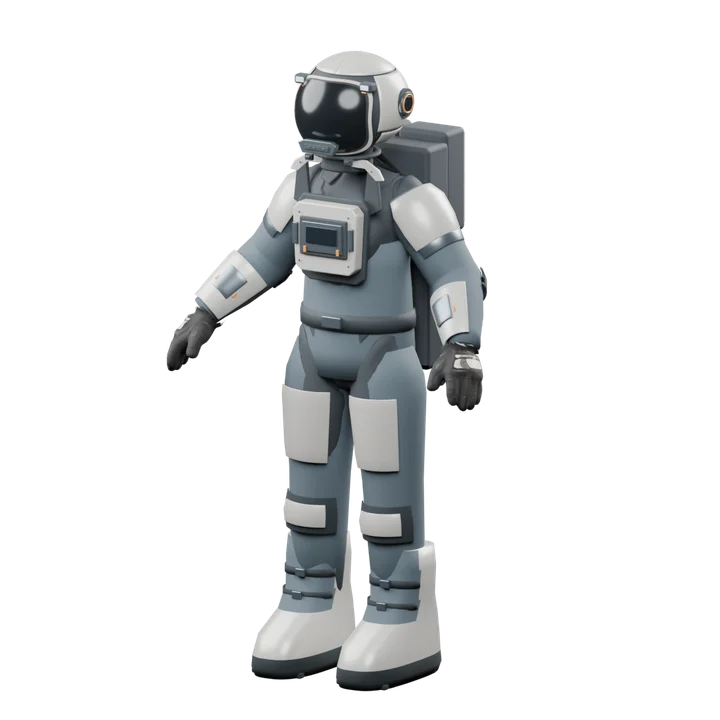
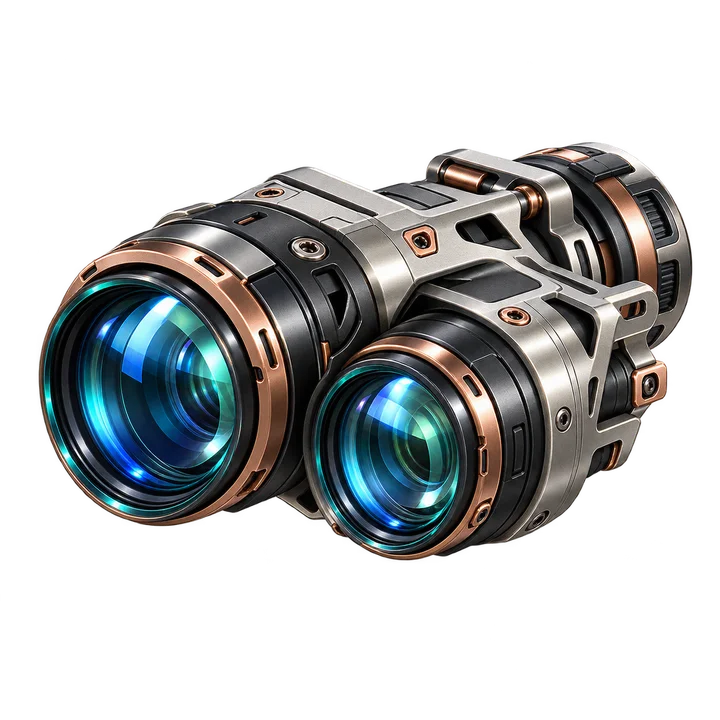
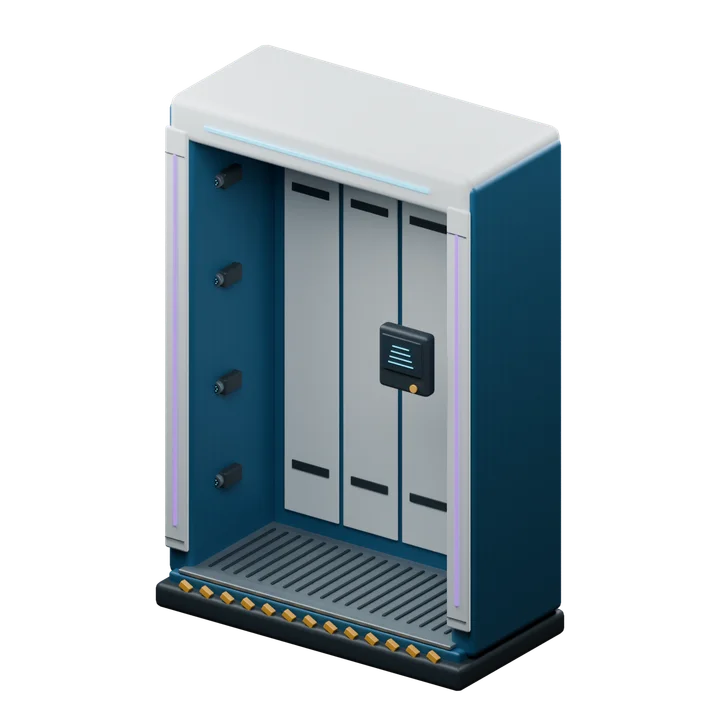
The light pressure suit adds a 200-litre suit-storage allowance, two active module bays within an expandable five-slot interface, built-in jump assistance and a new augmented visor. Jetpack lift responds to thrust, gravity and carried mass. Suit modules cover armor, radiation, heat/cold, oxygen, mobility and provisions. New built-in optics cycle through headlamps, night vision and infrared on L. The optics have been locally tested on foot, in cockpit cameras and through save/load, but are newer than the held Shipping package.
FABRICATION AND LOGISTICS
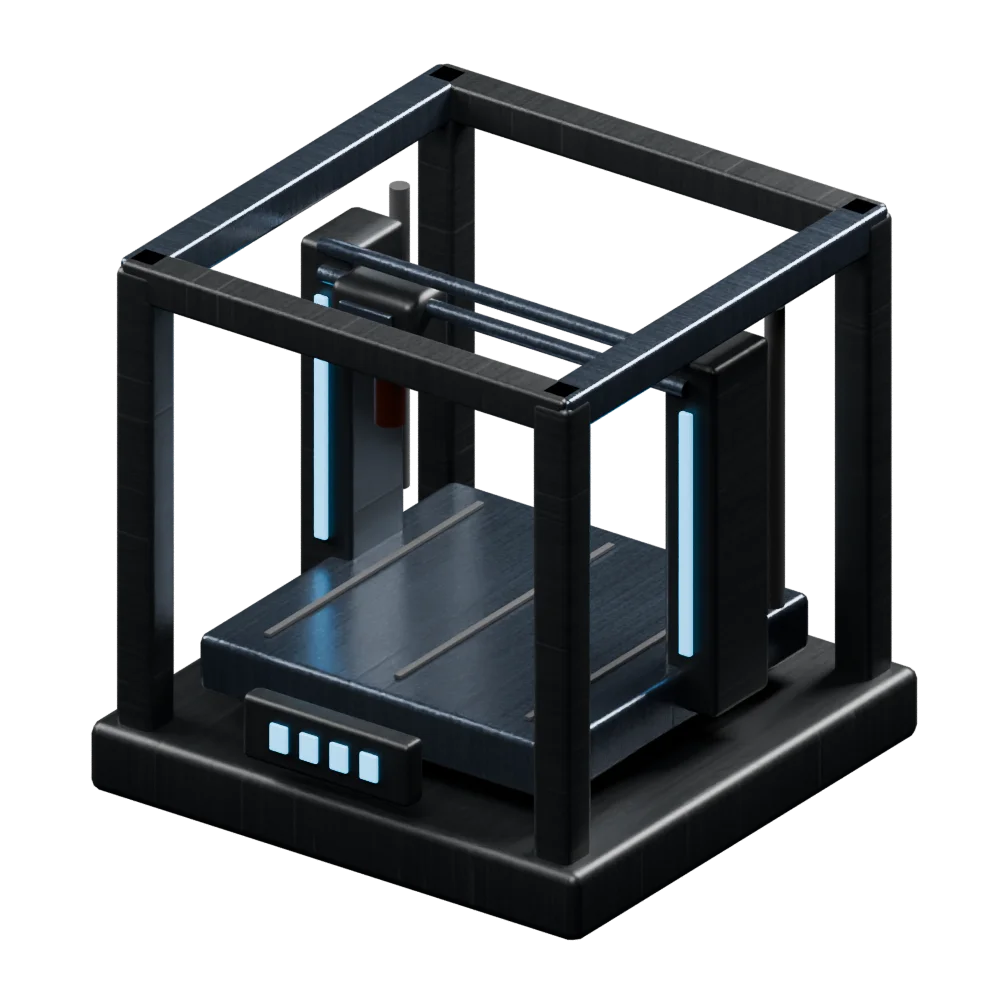
The alien wreck and separately placed constructors have independent storage and queues. Recipes can plan their prerequisites through soil/rock, ore, ingots and components. Input and output can link to chosen cargo banks. Surplus intermediate materials return to input. Queue grouping, step previews, inventory icons, quantities and material-shortage styling make complex jobs easier to follow. The portable constructor is slower and power-free; mounted machinery uses the structure's power system. Cargo has volume and mass, editable names, expansion blocks, direct transfers and visible drag previews. Mass Link begins at 25 metres, with relay tiers extending reach to 100, 150 and 200 metres. A separate purple cargo quickslot bank allows remote placement from linked storage. Quickslot assignment is deliberate drag-and-drop; ordinary transfers stay in cargo/player inventory.
BUILDING SHIPS AND BASES
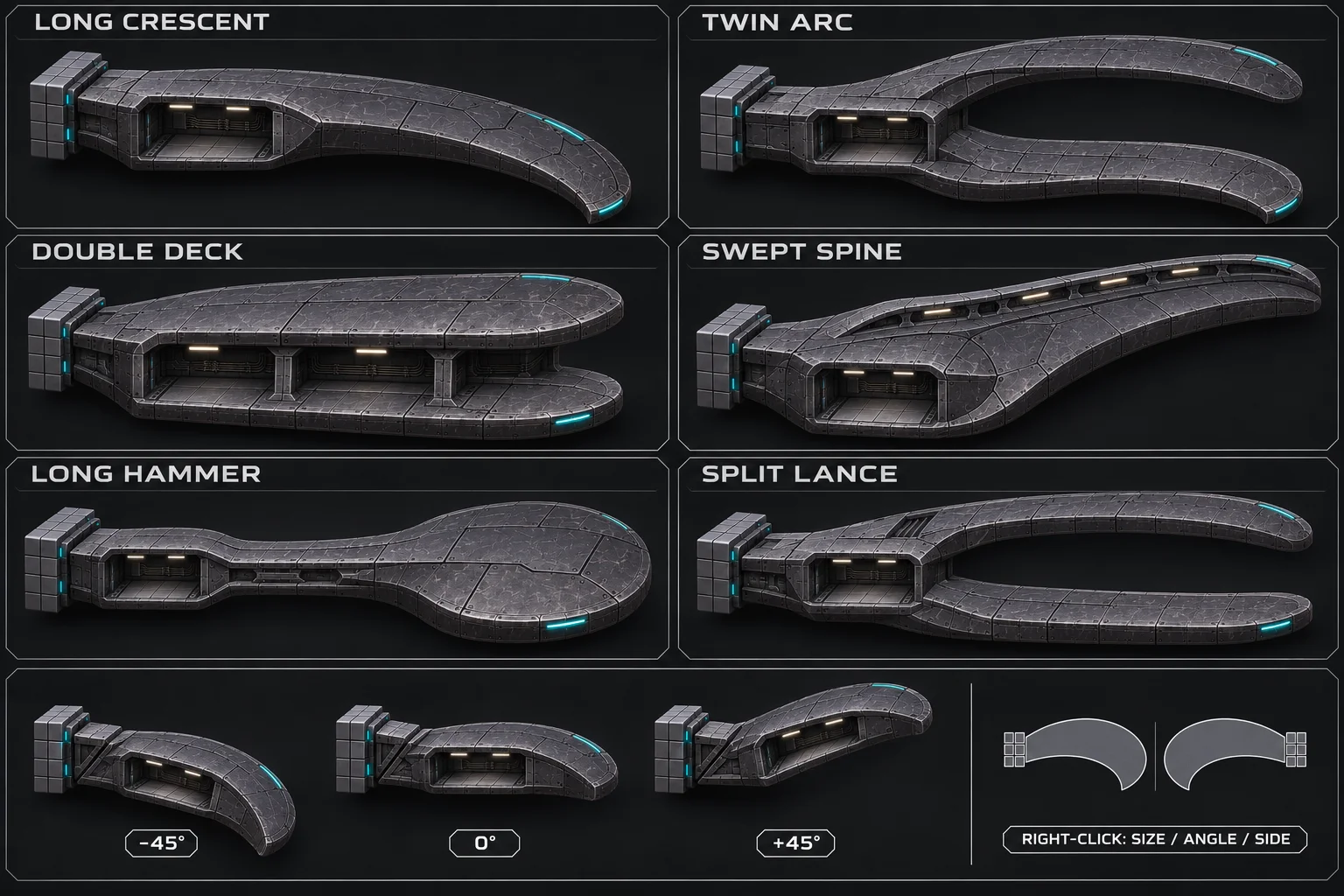
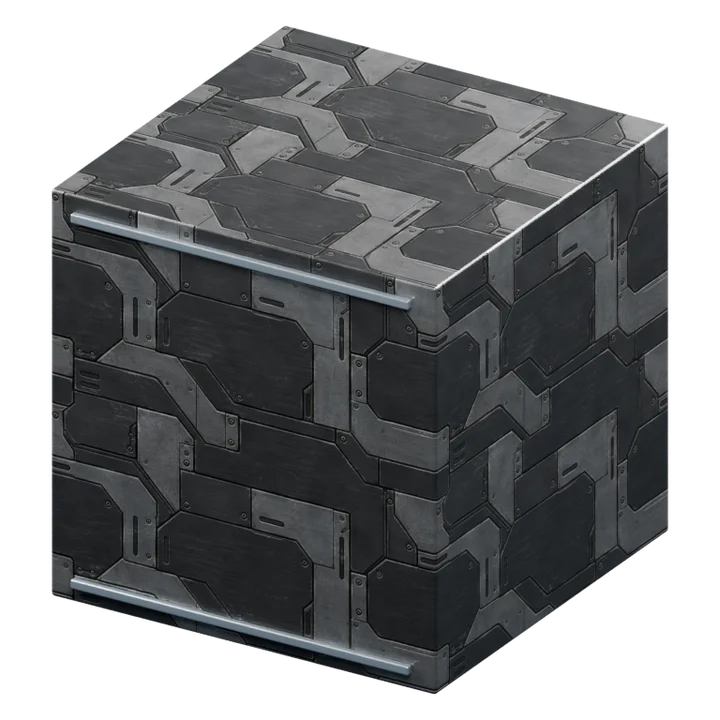
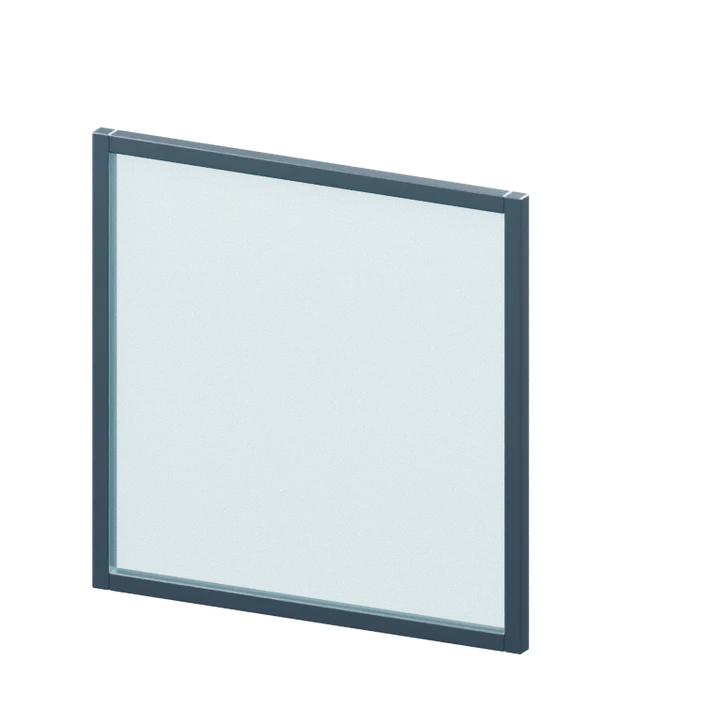
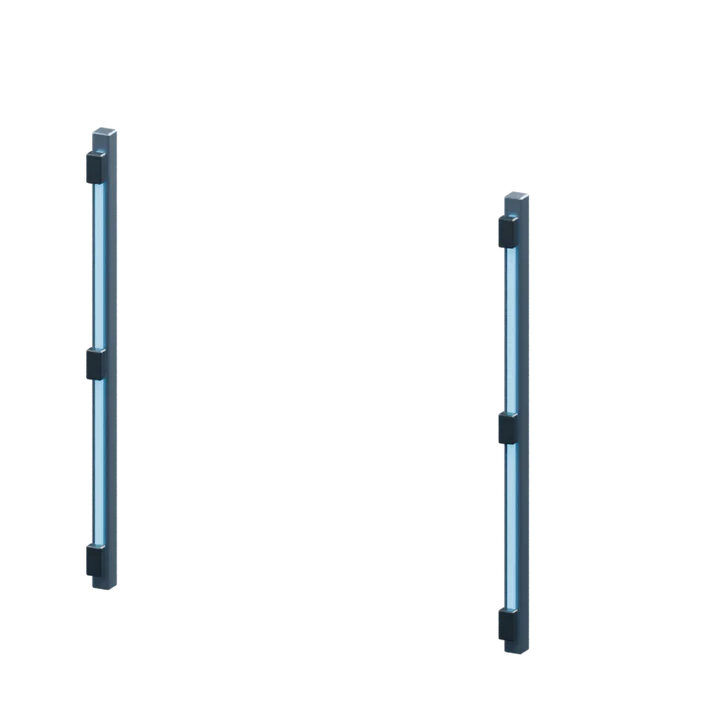
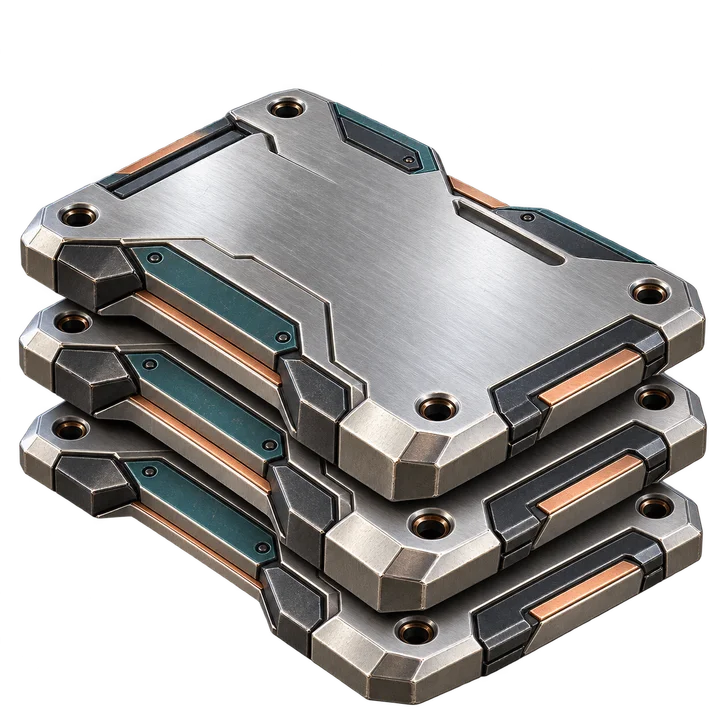
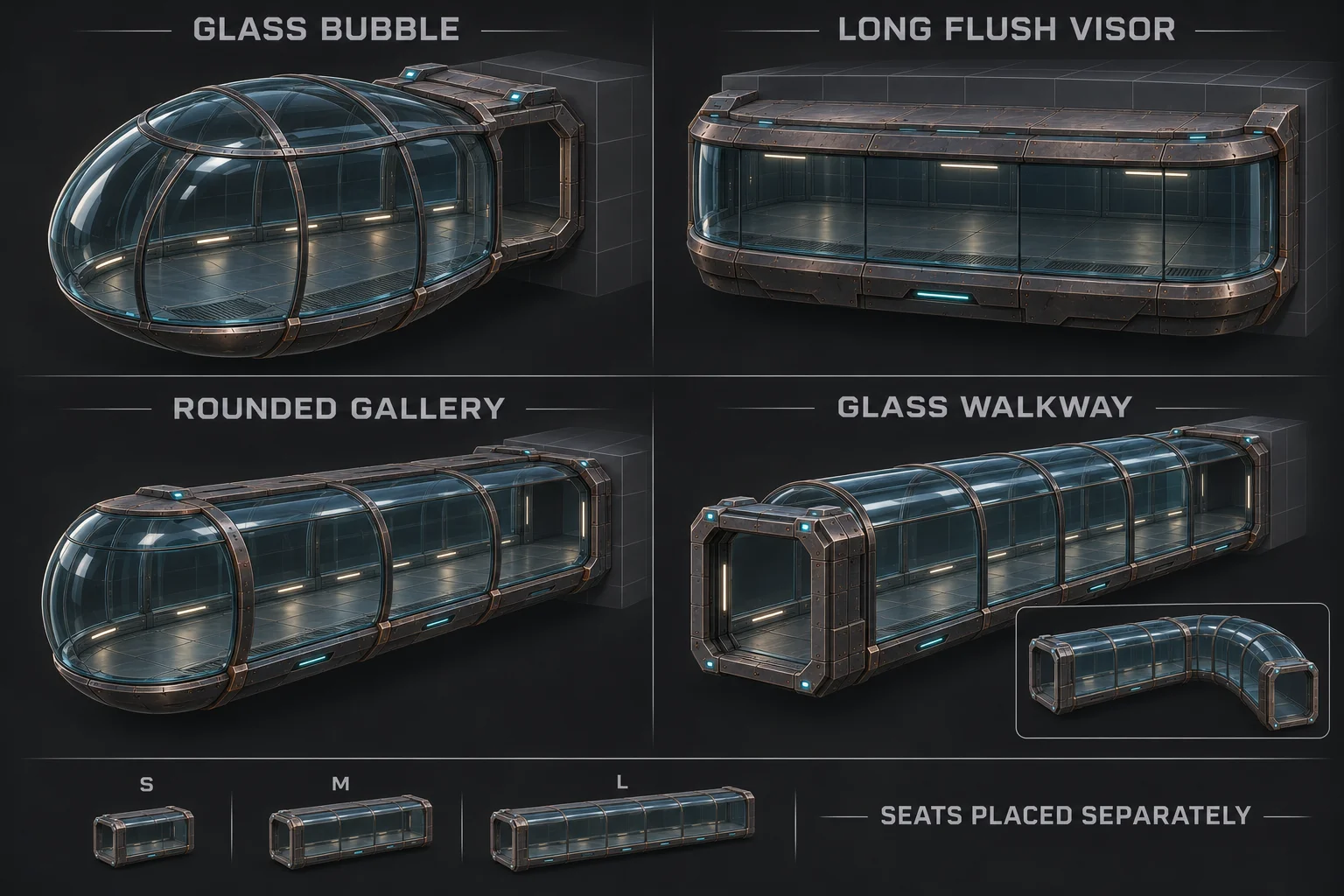
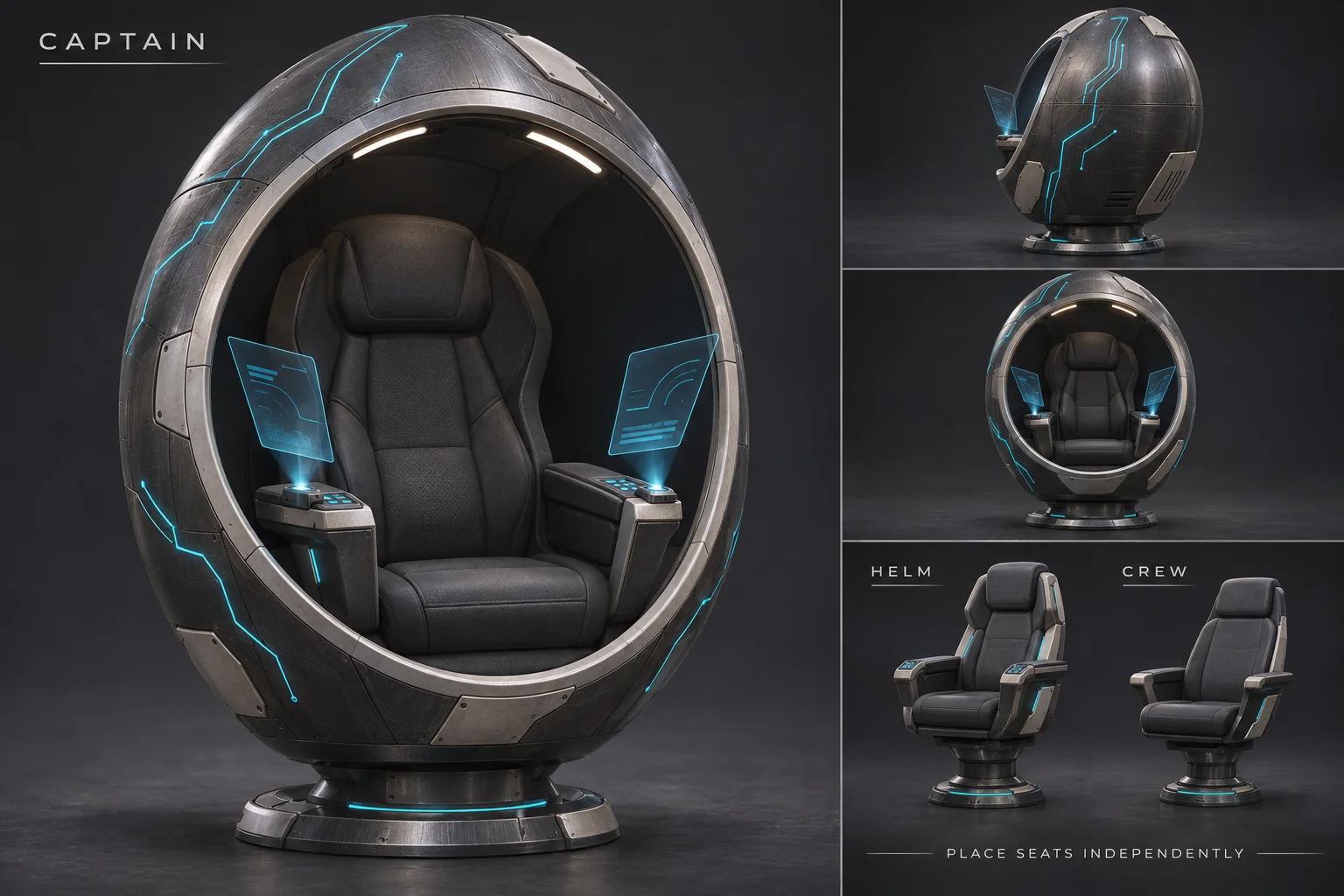
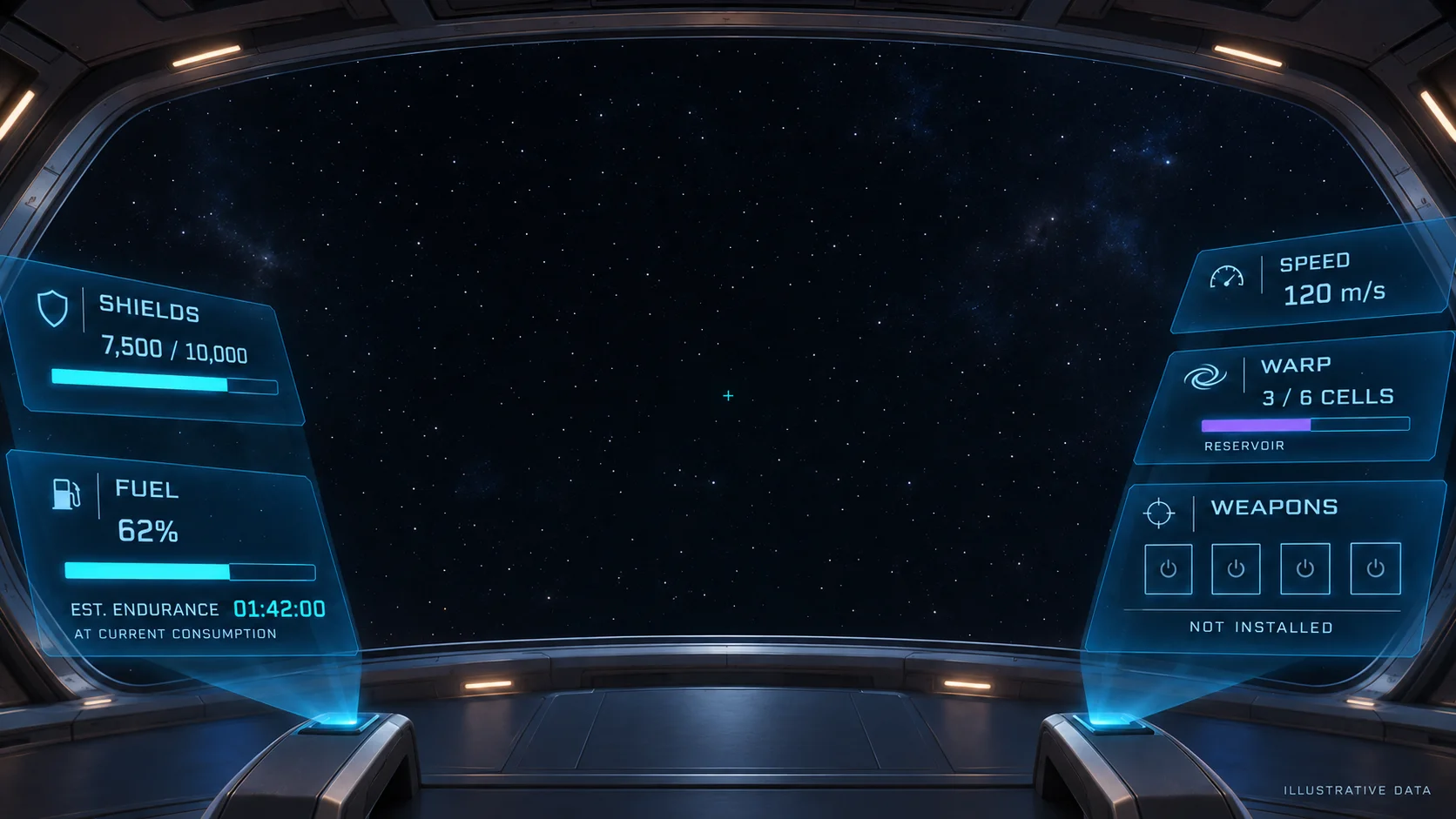
Starter cores establish a structure grid. The building system supports shape selection, line dragging, snapping, 90-degree rotation, height adjustment and laptop-friendly controls. Steel, concrete, timber, carbon, armored and solar hull families offer different cost, mass and durability roles. Structural integrity, solid collisions and damage presentation are being developed alongside the construction system. PRISM combines paint, surface finishes, color, glass tint and several brush sizes in one tool. One-unit glass and force-field variants offer multiple sizes and window treatments, with angled/rounded/interior options. Powered force fields support atmosphere containment and a power-loss recovery warning. Expanded wings, bridges, capsule windows, seats and flight displays remain concept/asset work where marked. Real ship flight is still pending.
MINING AND RESOURCES
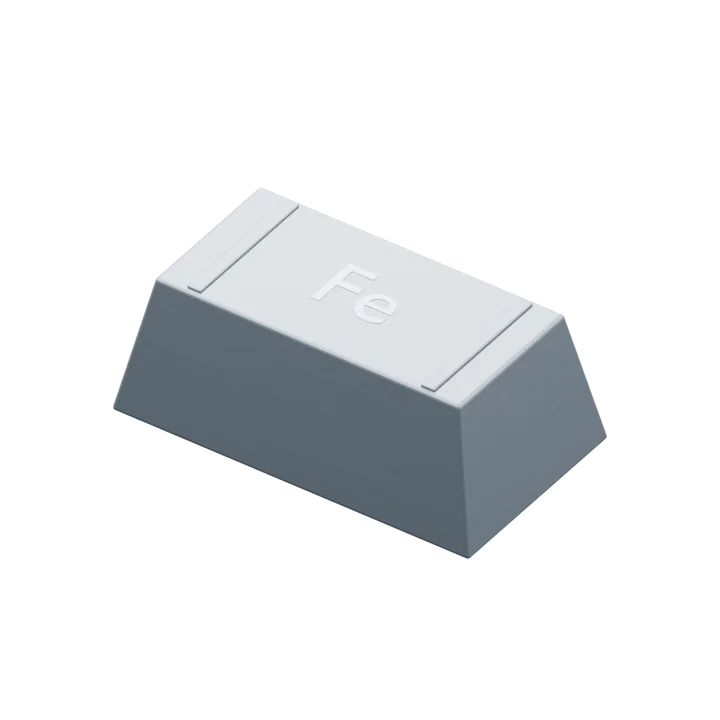
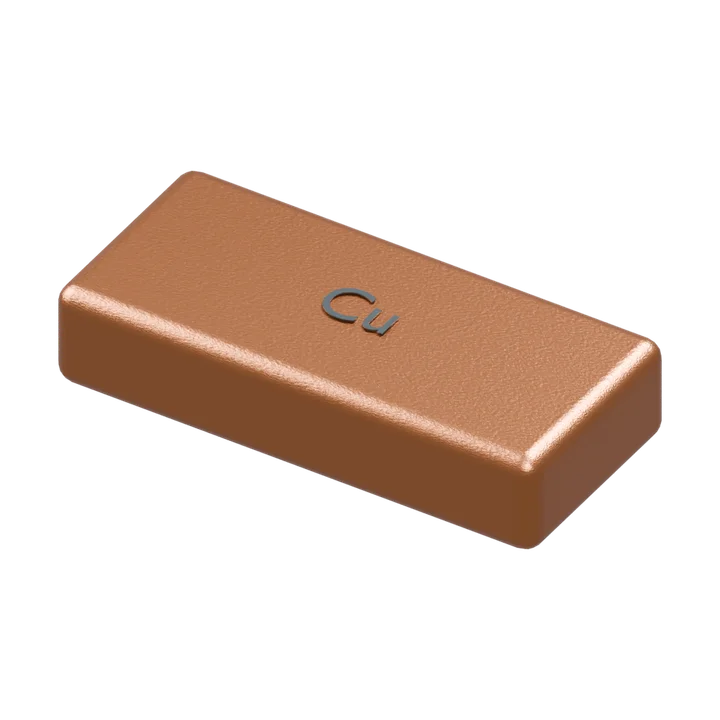
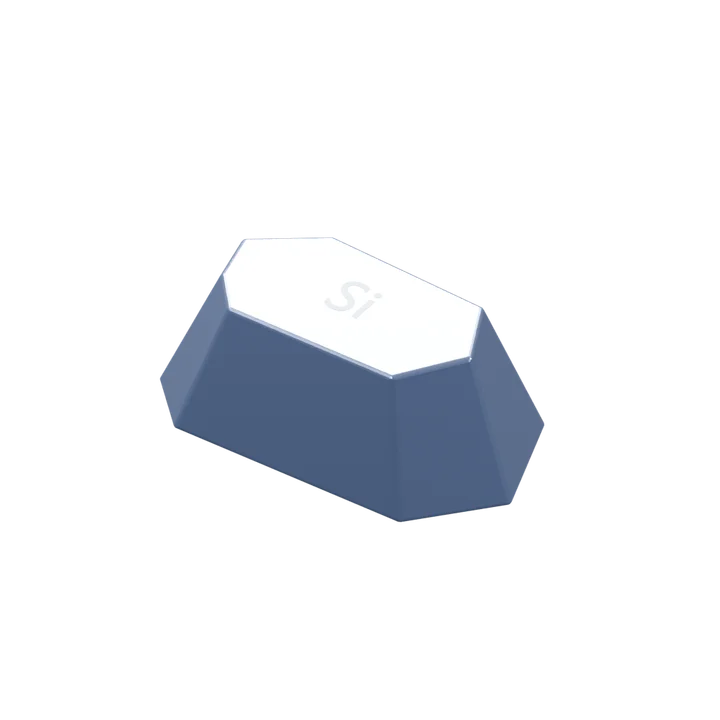
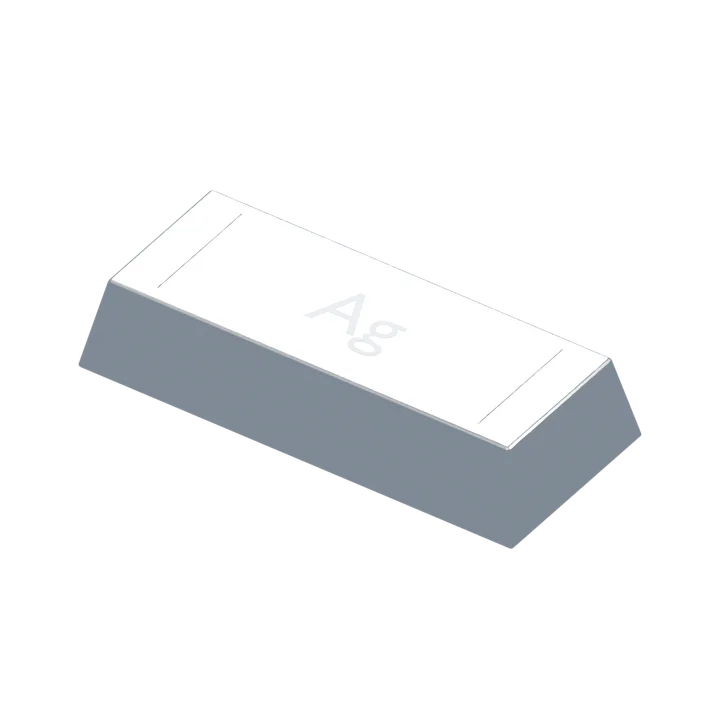
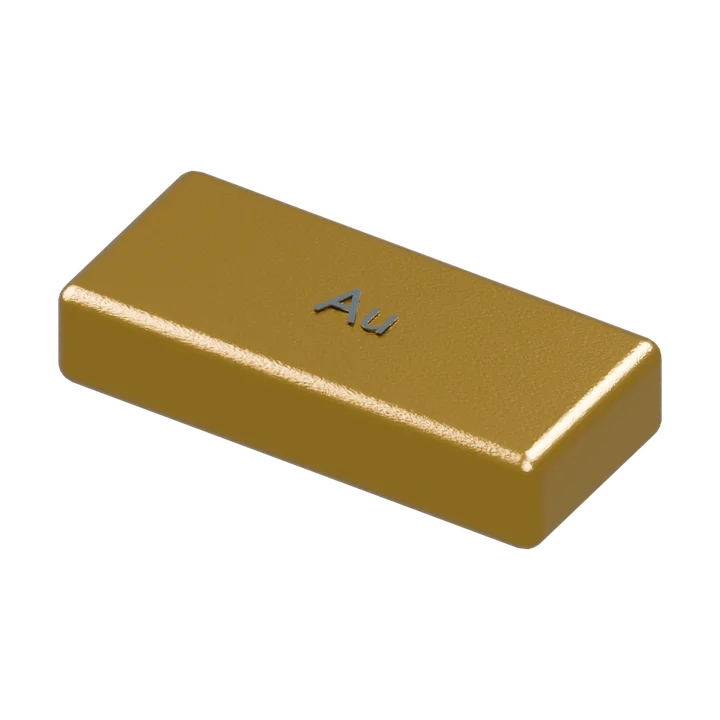
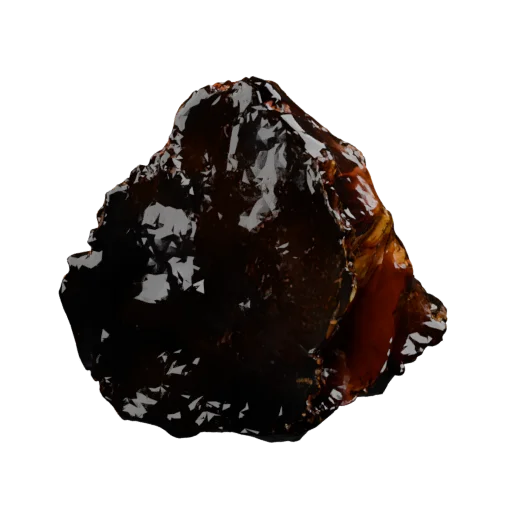
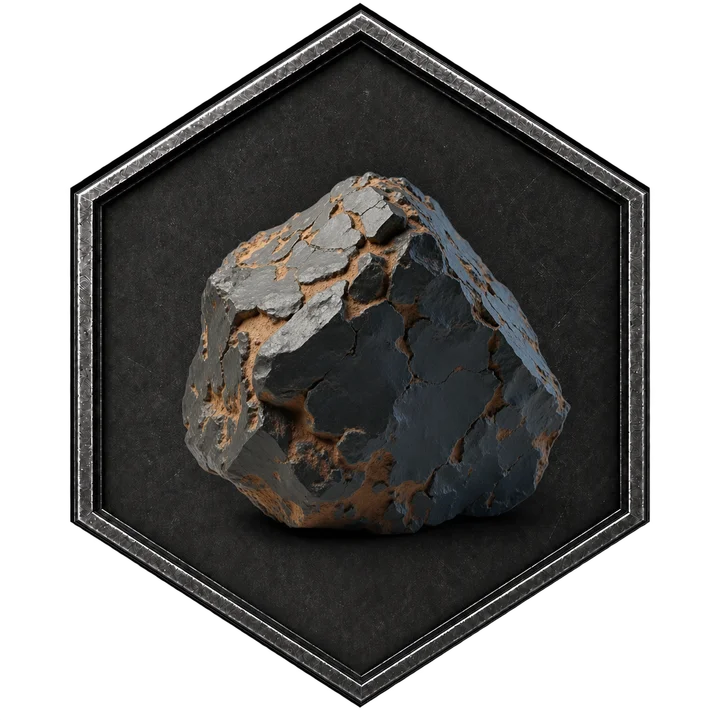
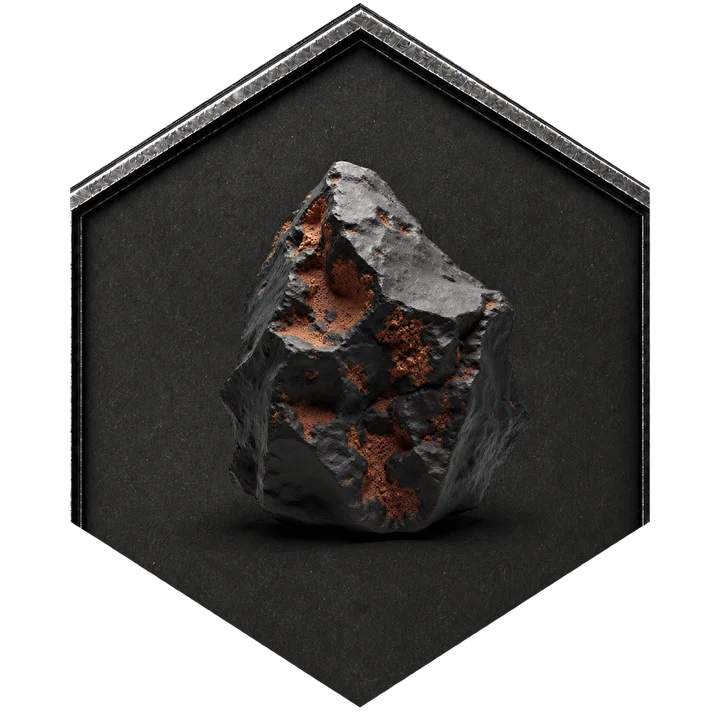
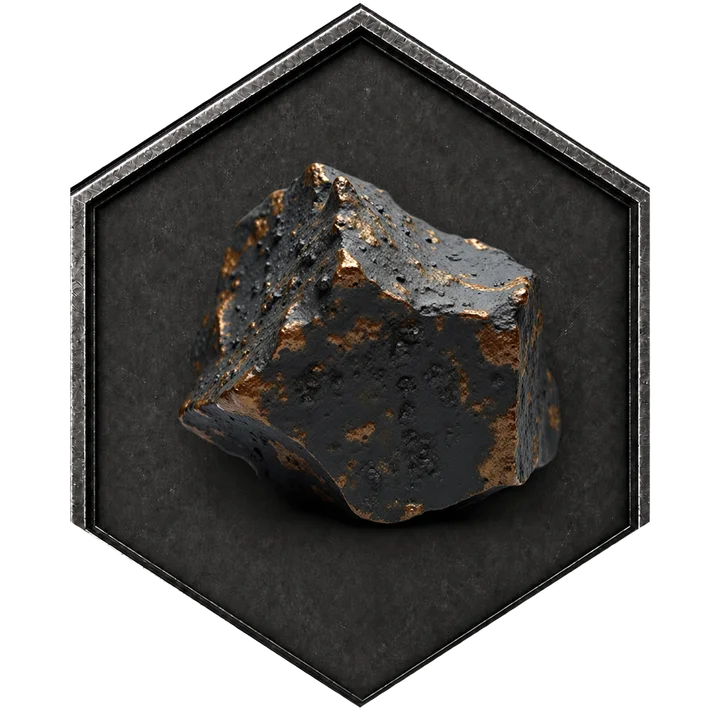
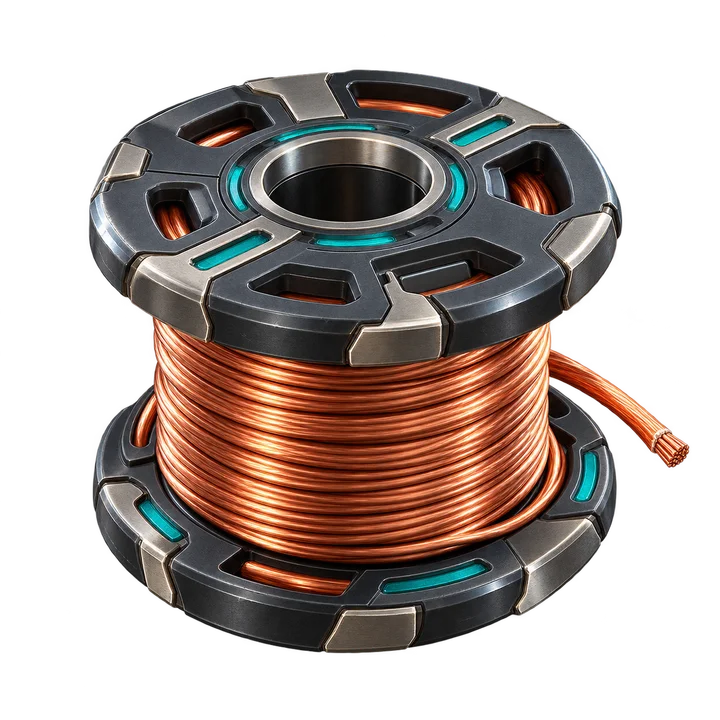
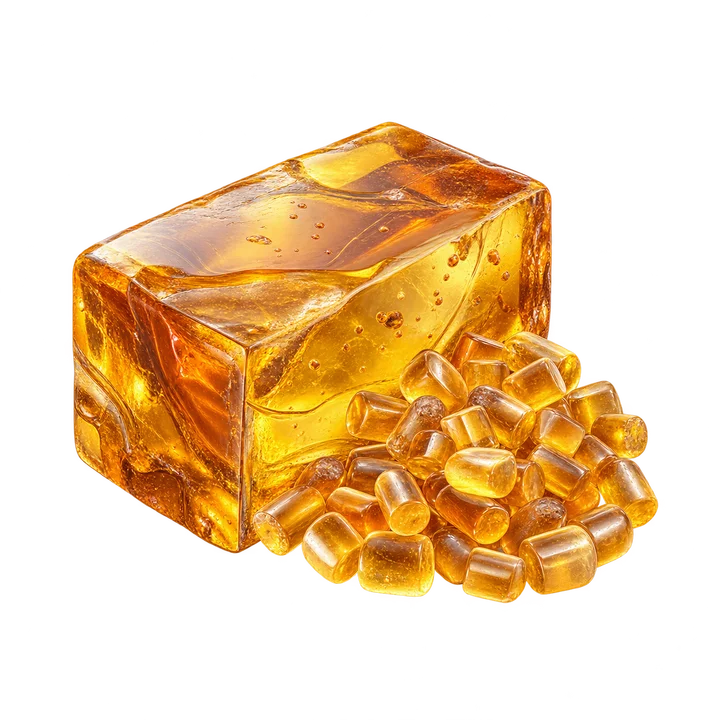
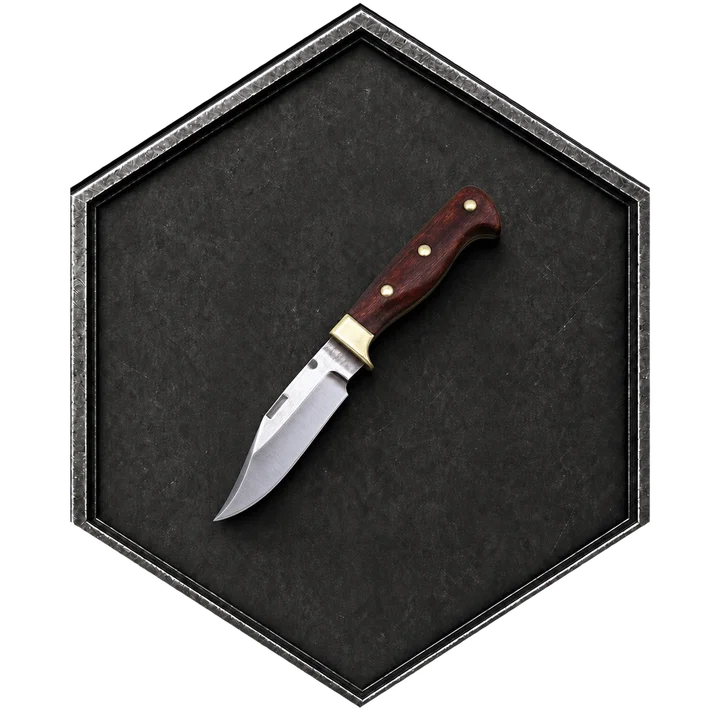
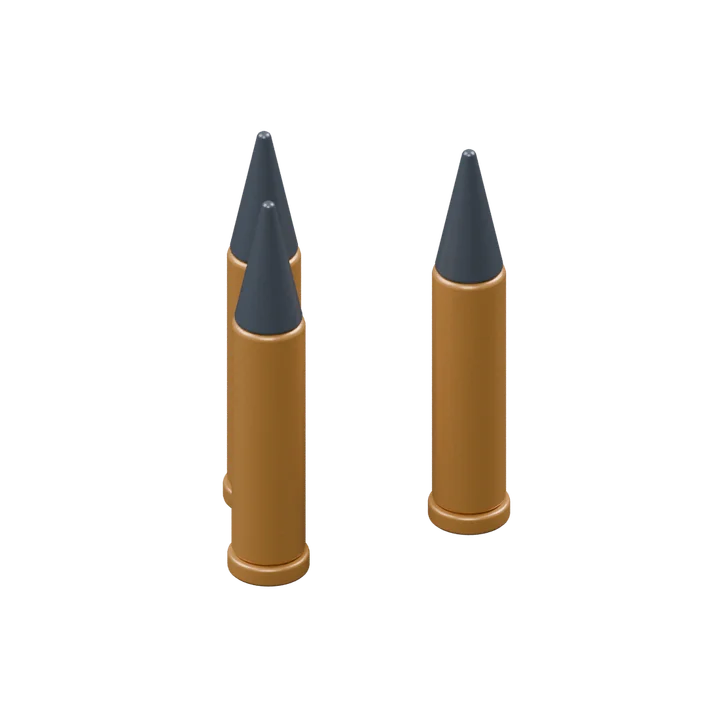
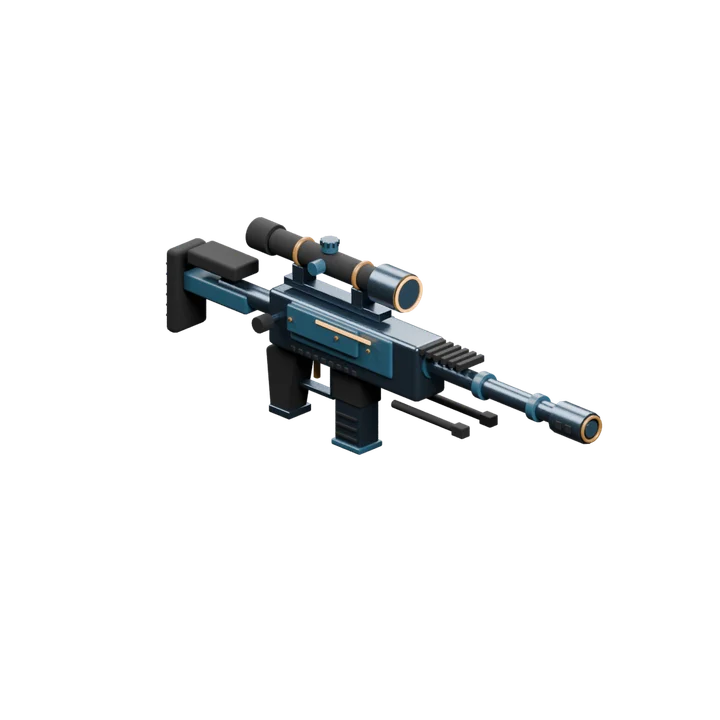
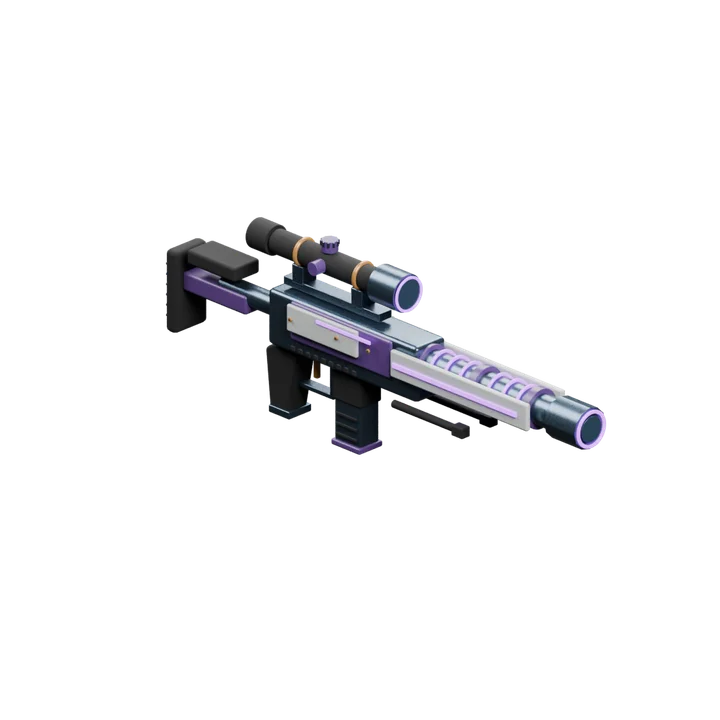
Excavation now removes material in smaller stages, with blended dirt/rock surfaces, resource pickup feedback, overflow bundles and revised beam/impact effects. The survival tool supports mining, combat, tree cutting and salvage; advanced mining and scoped weapons provide later equipment paths. Iron, copper and silicon are common progression materials, while cobalt/titanium and rarer silver/gold/platinum/tungsten support later crafting. Recipes include wire, electronics, mechanical parts and a fibre-to-resin-to-plastic chain. Ingredient quantities, mass and volume continue to be balanced.
POWER, FUEL AND SHIP SYSTEMS
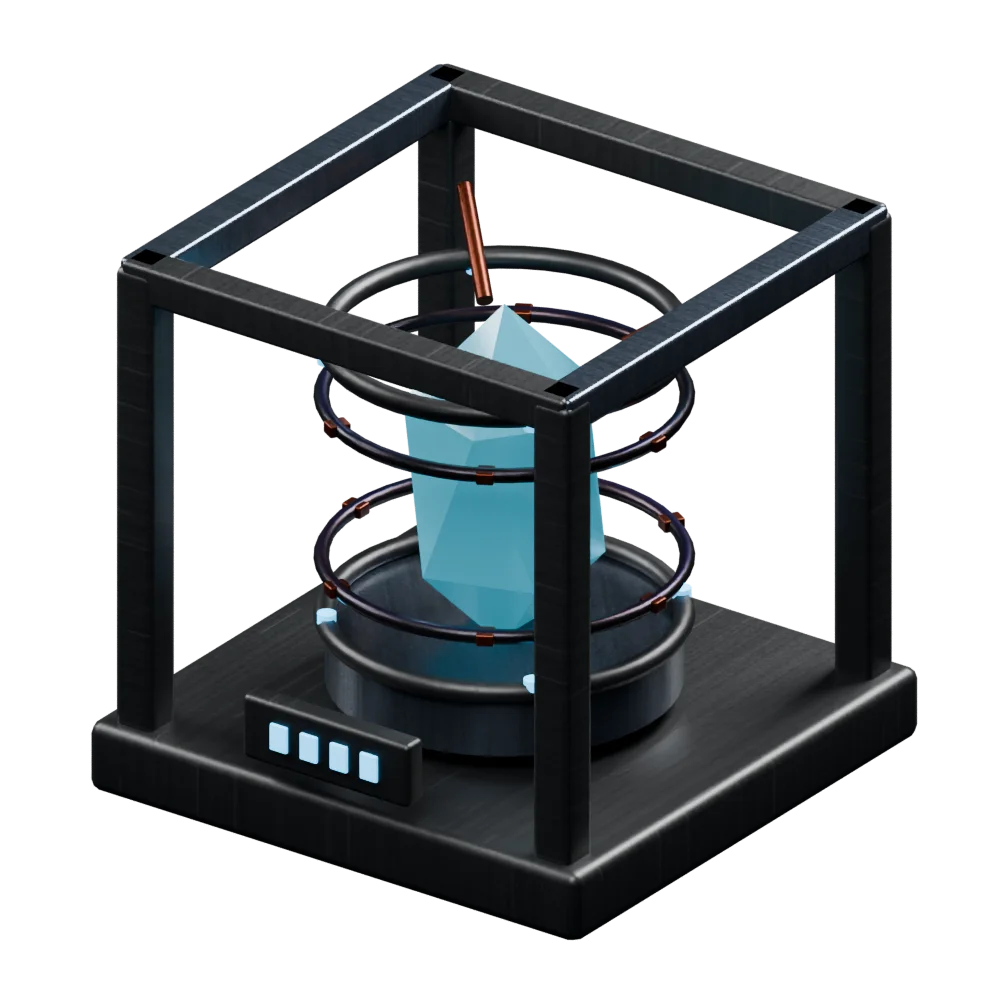
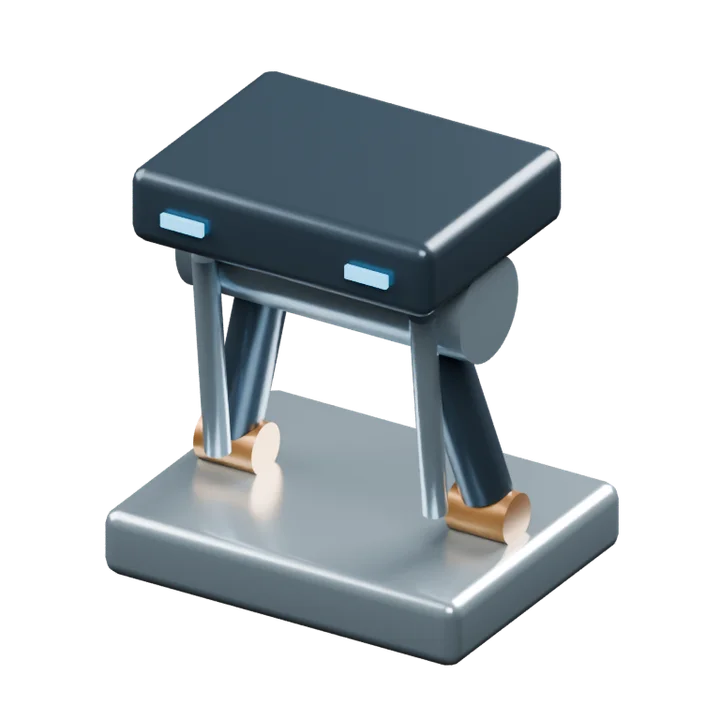
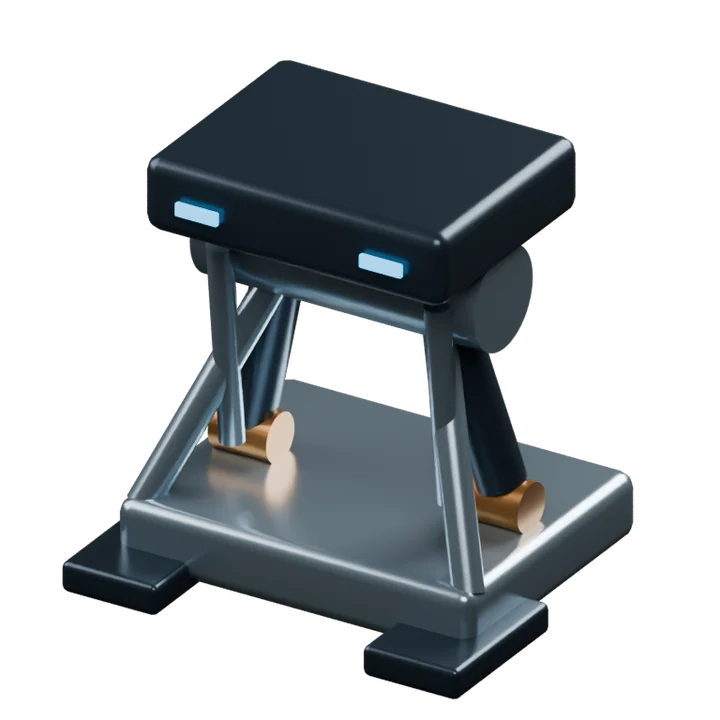
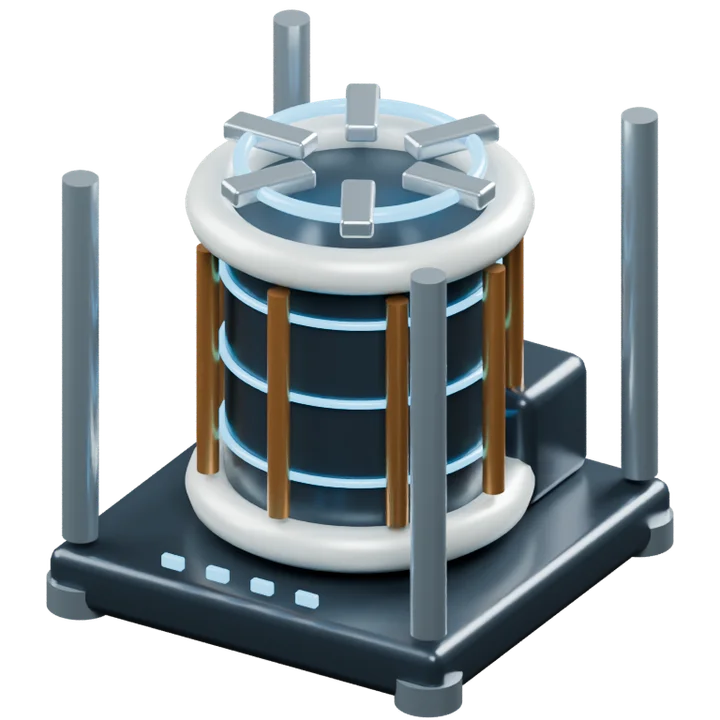
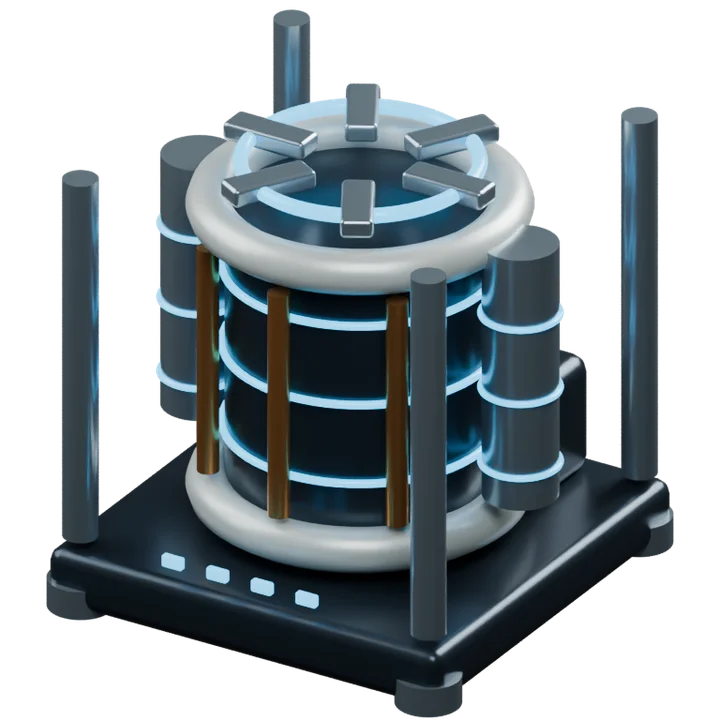
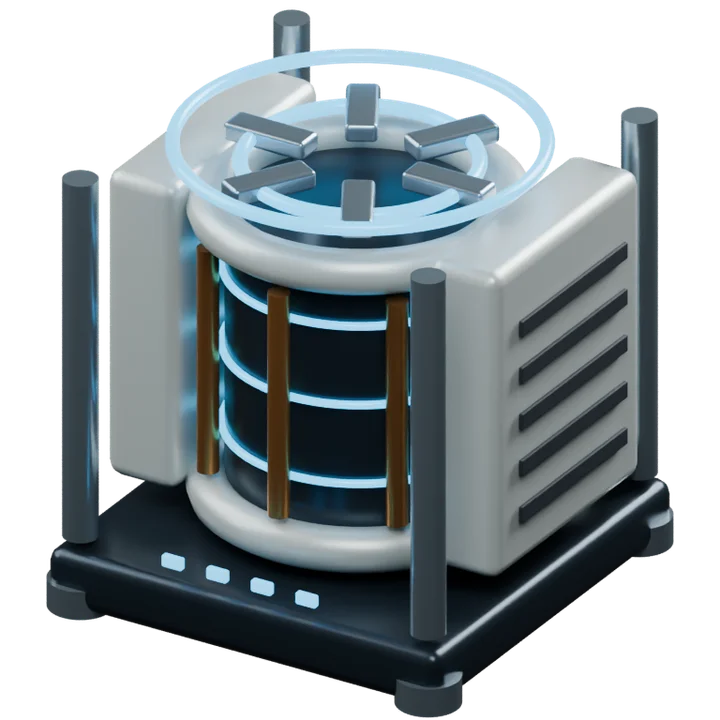
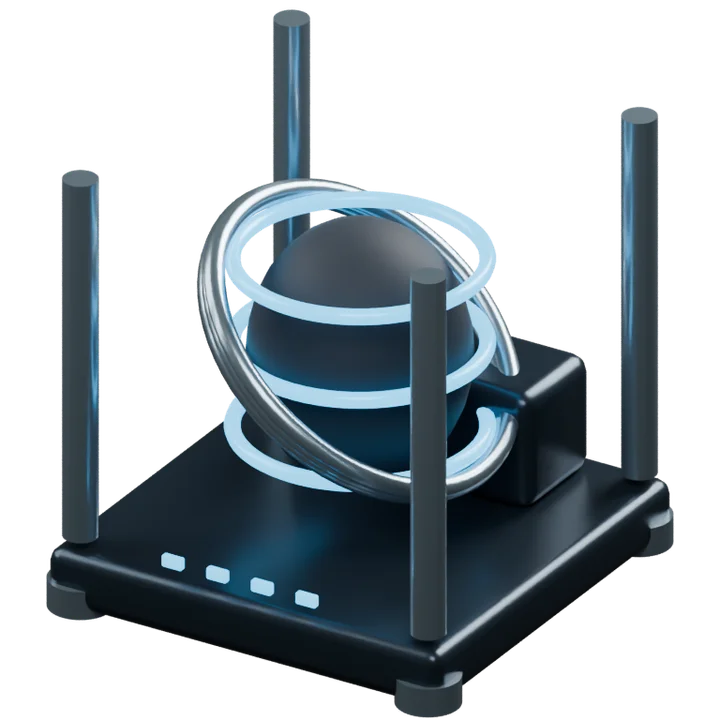
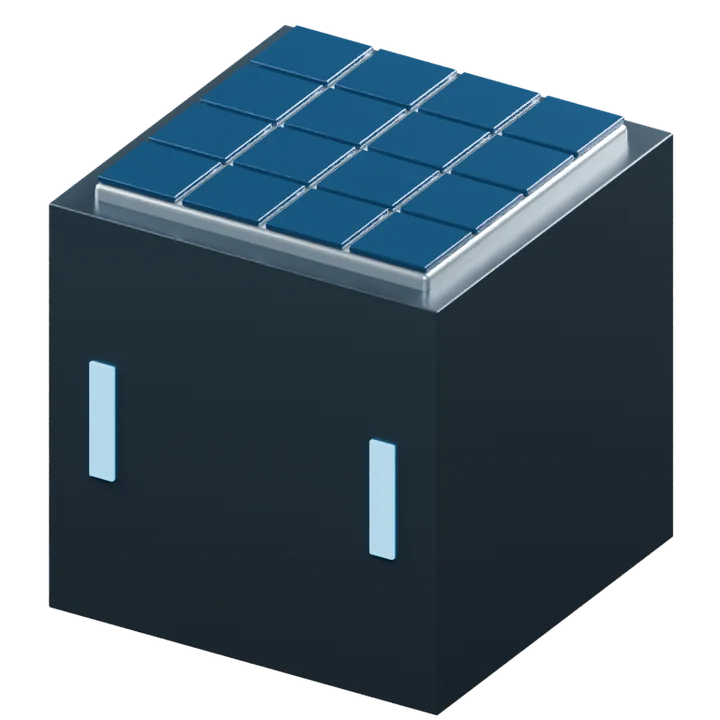
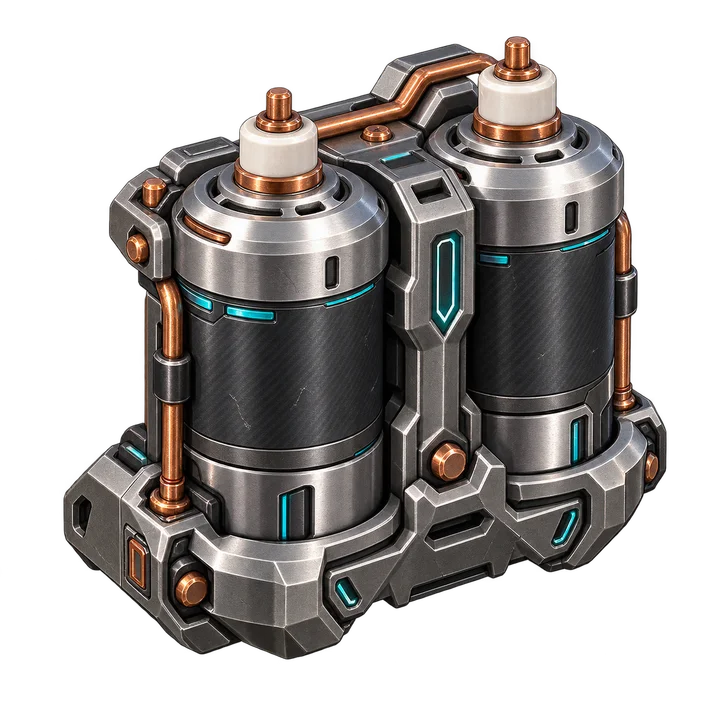
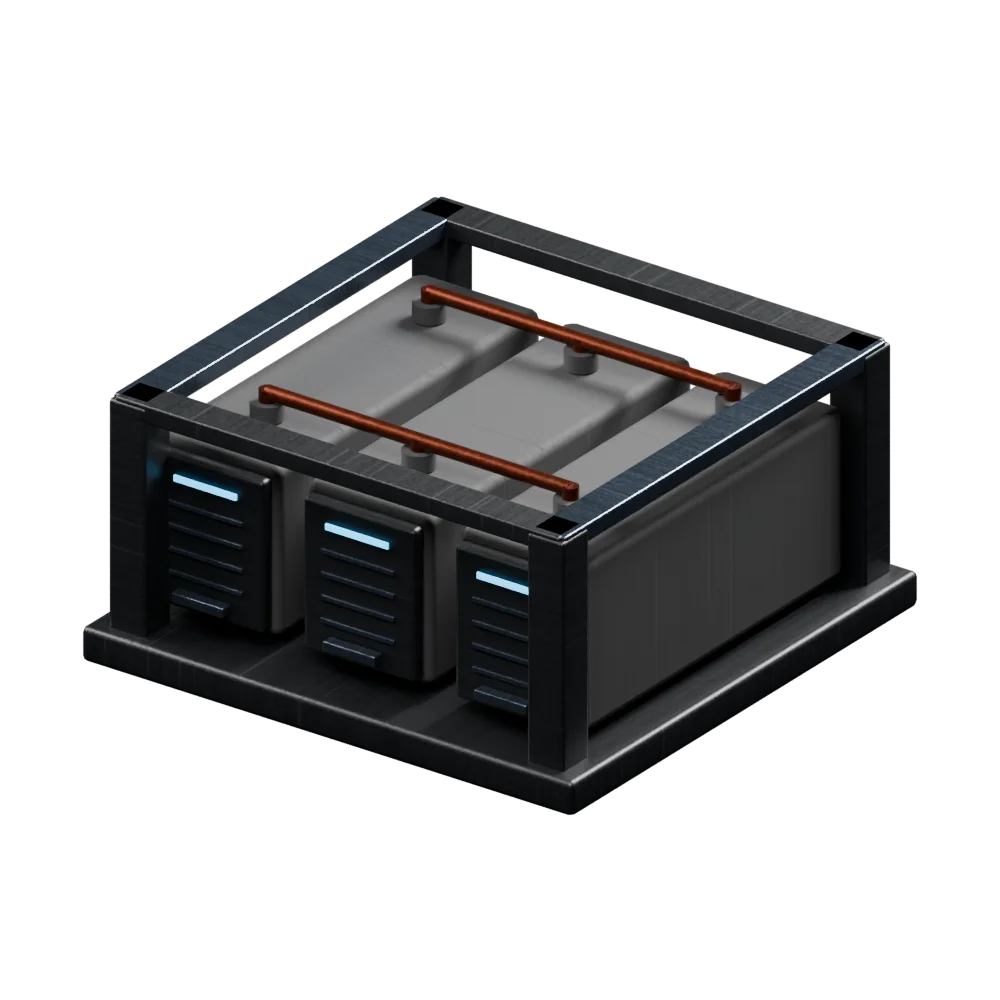
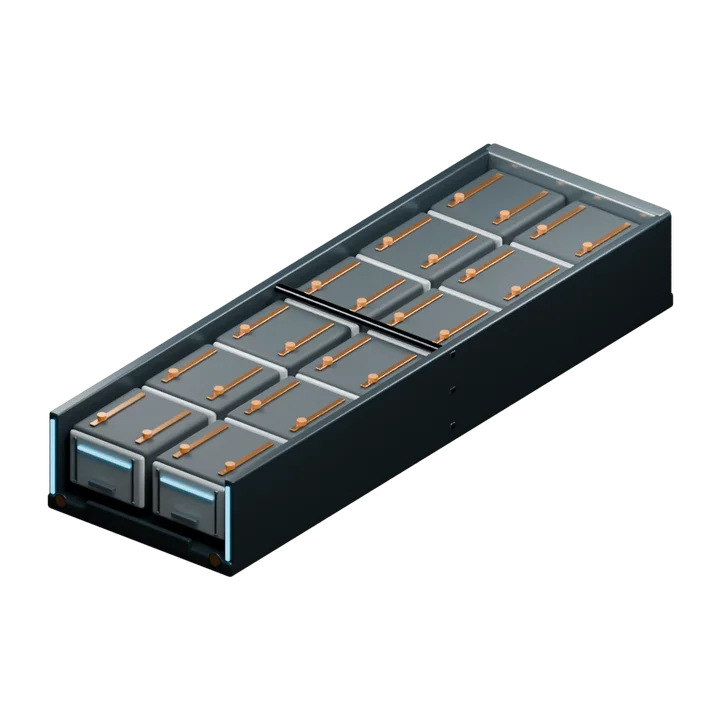
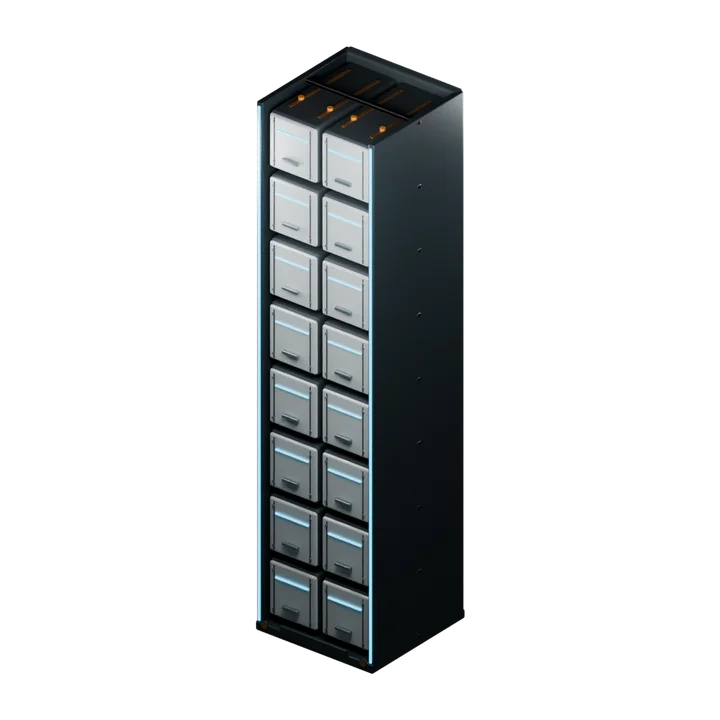
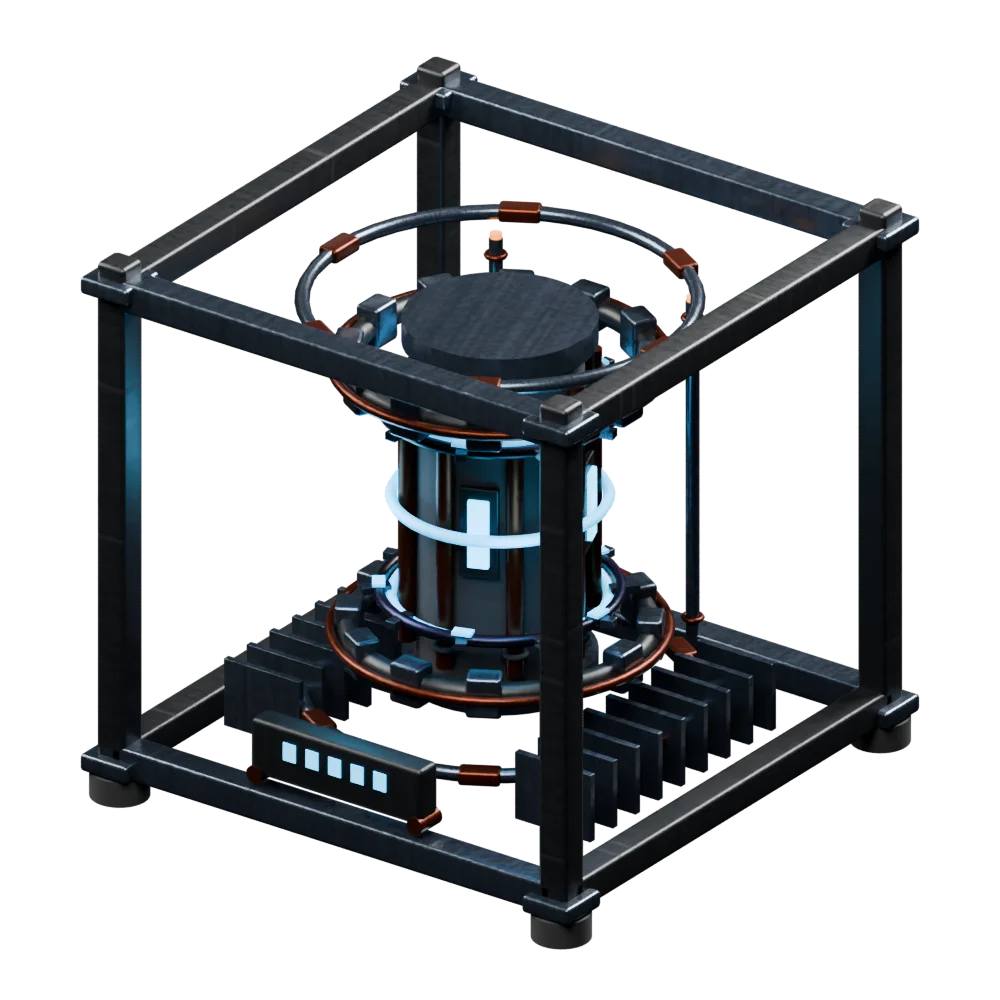
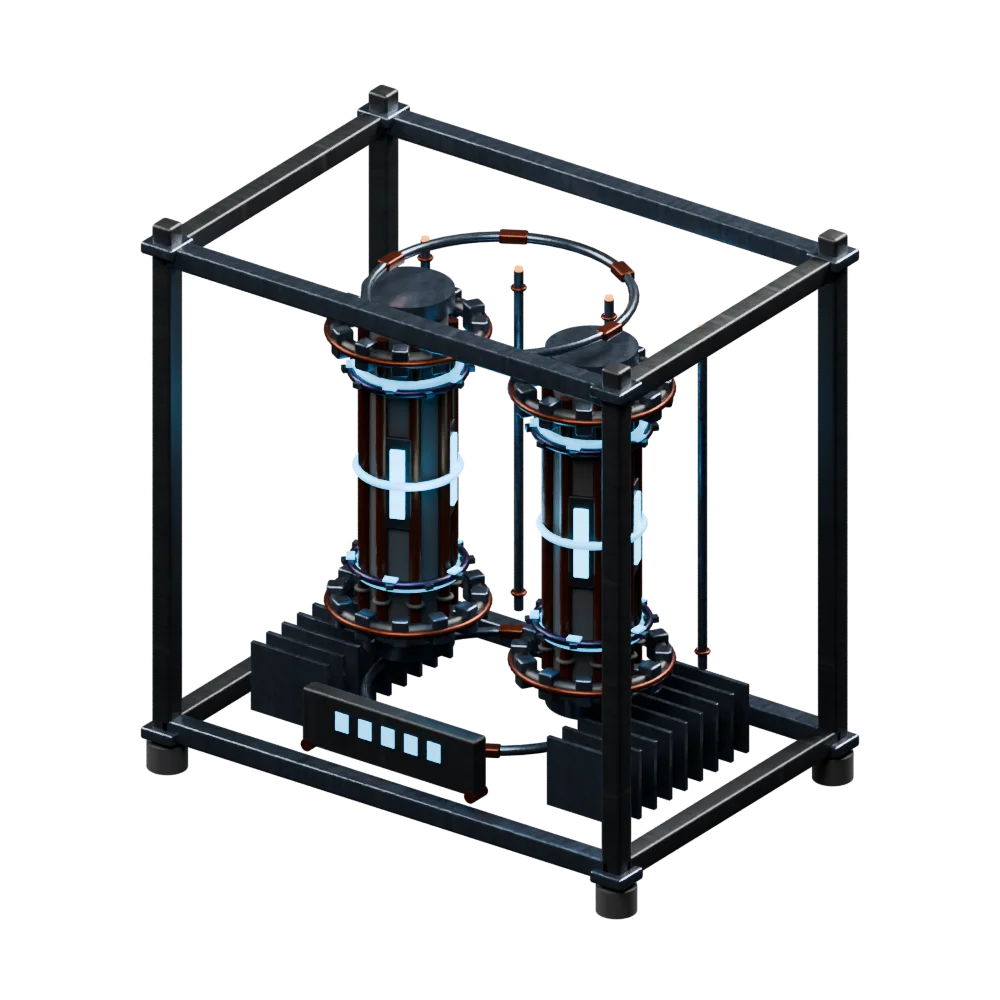
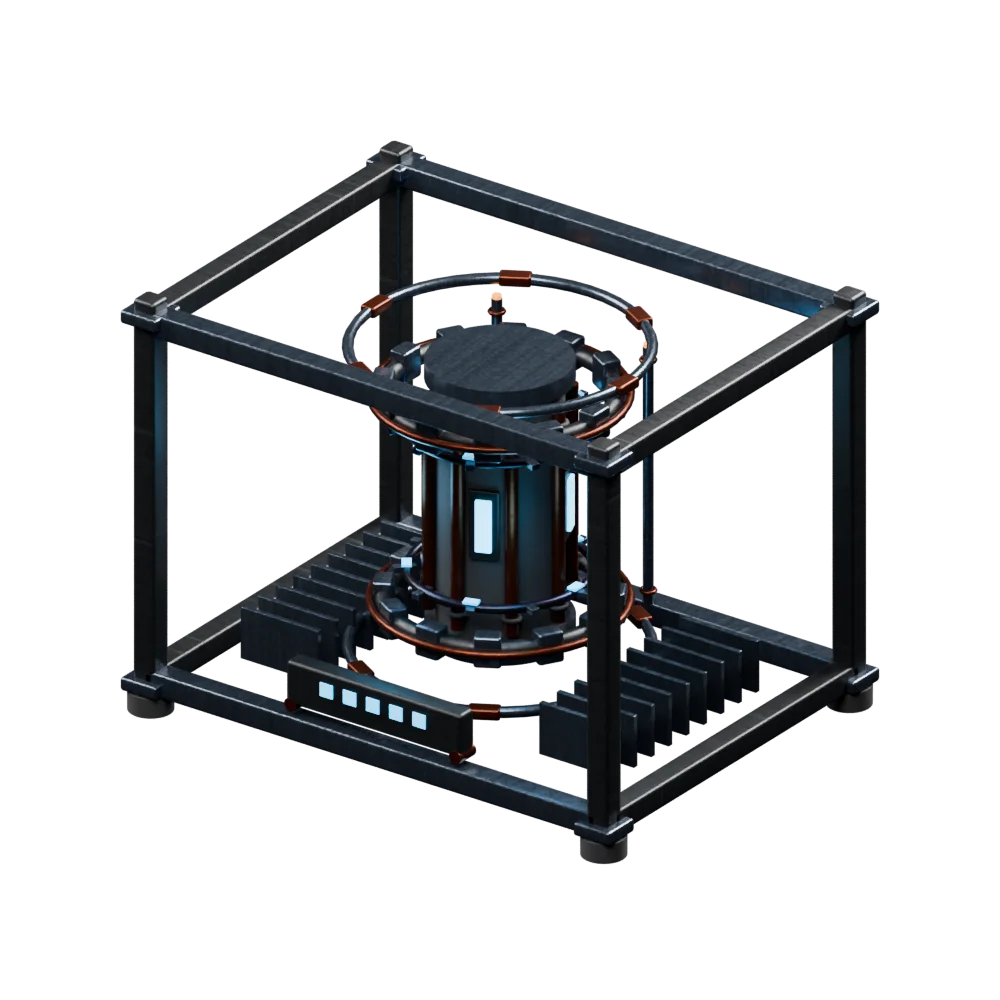
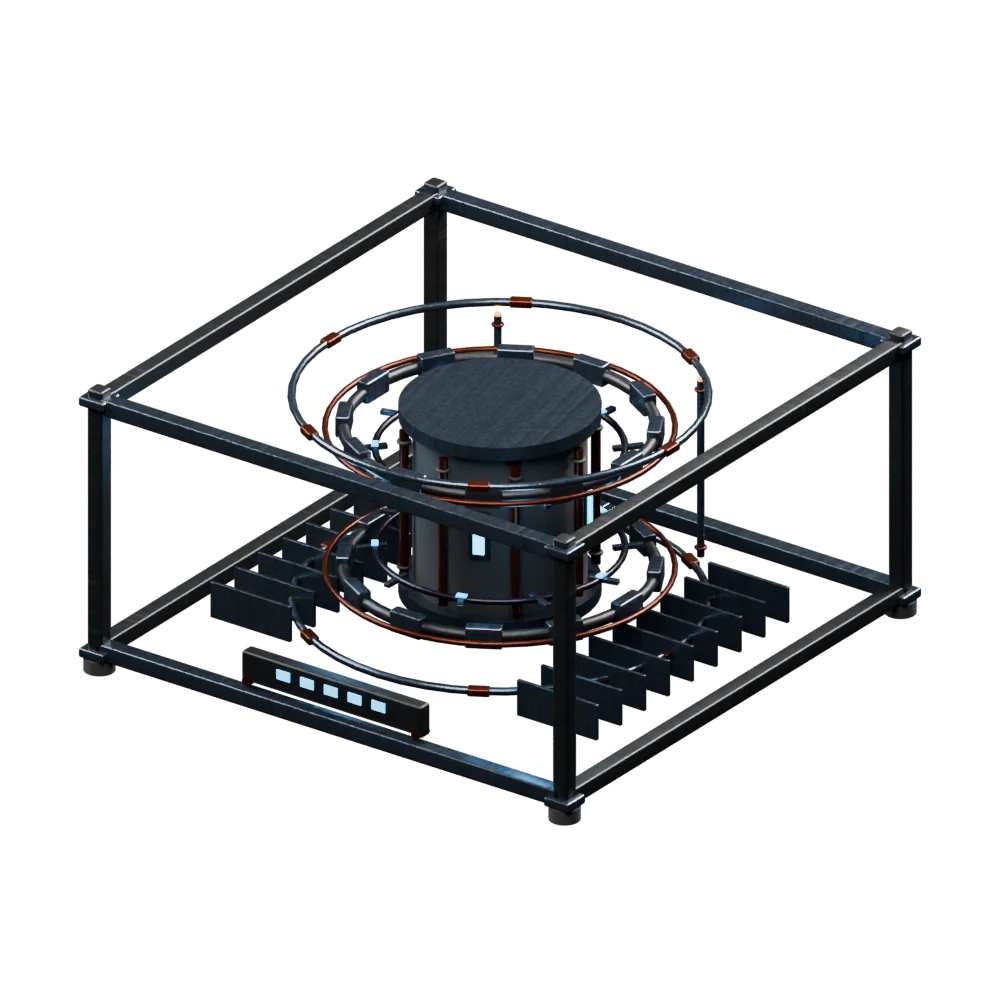
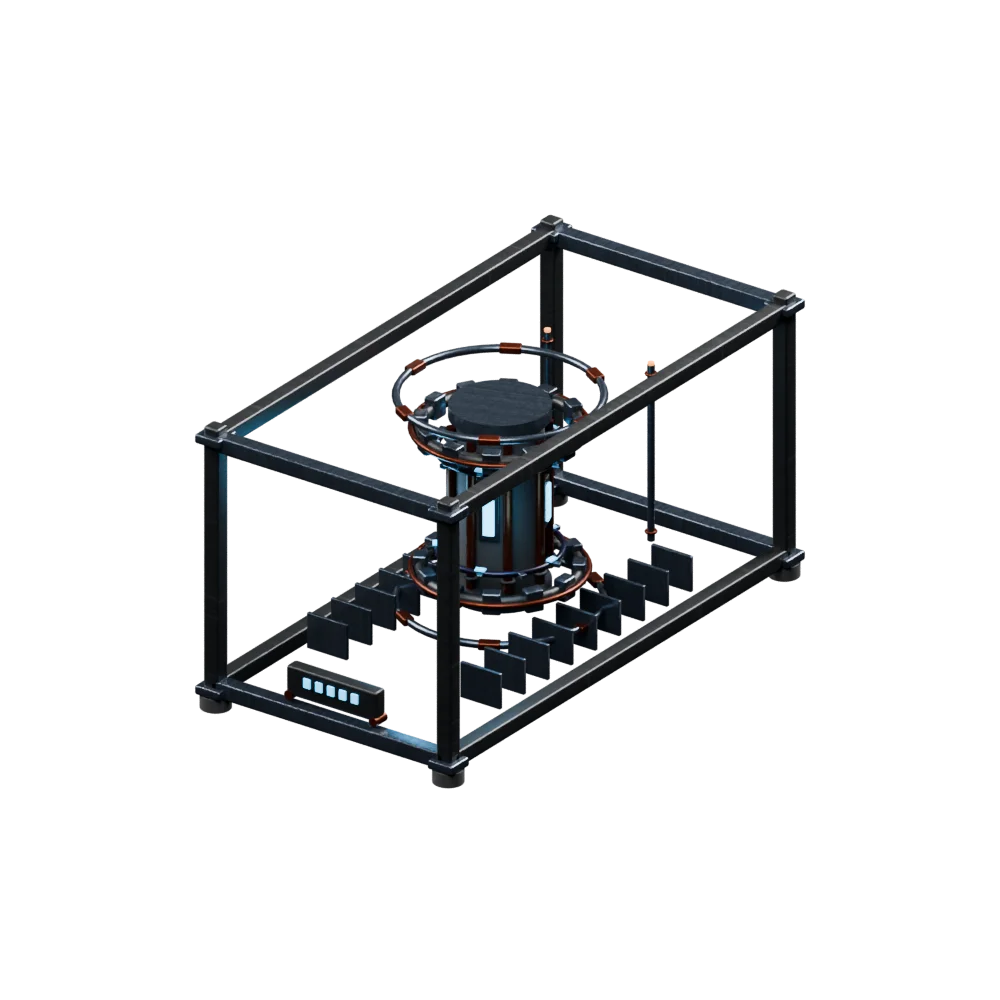
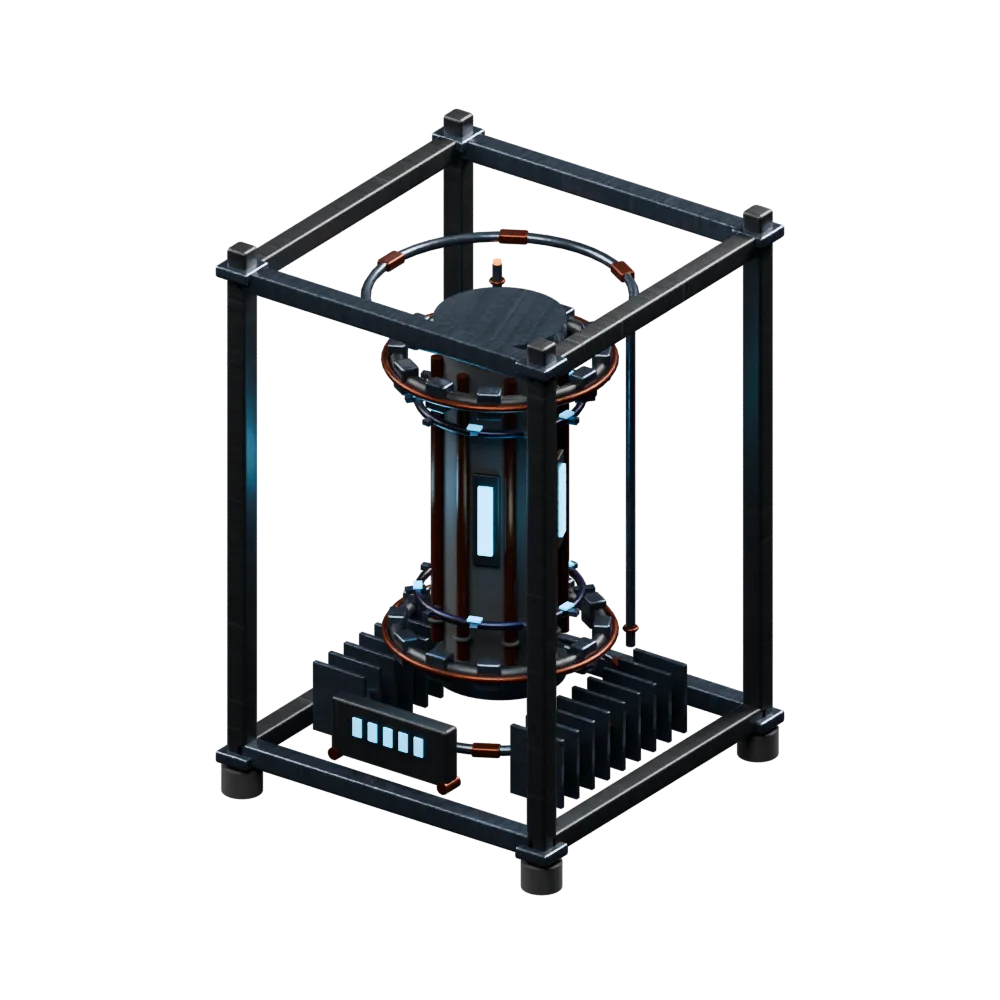
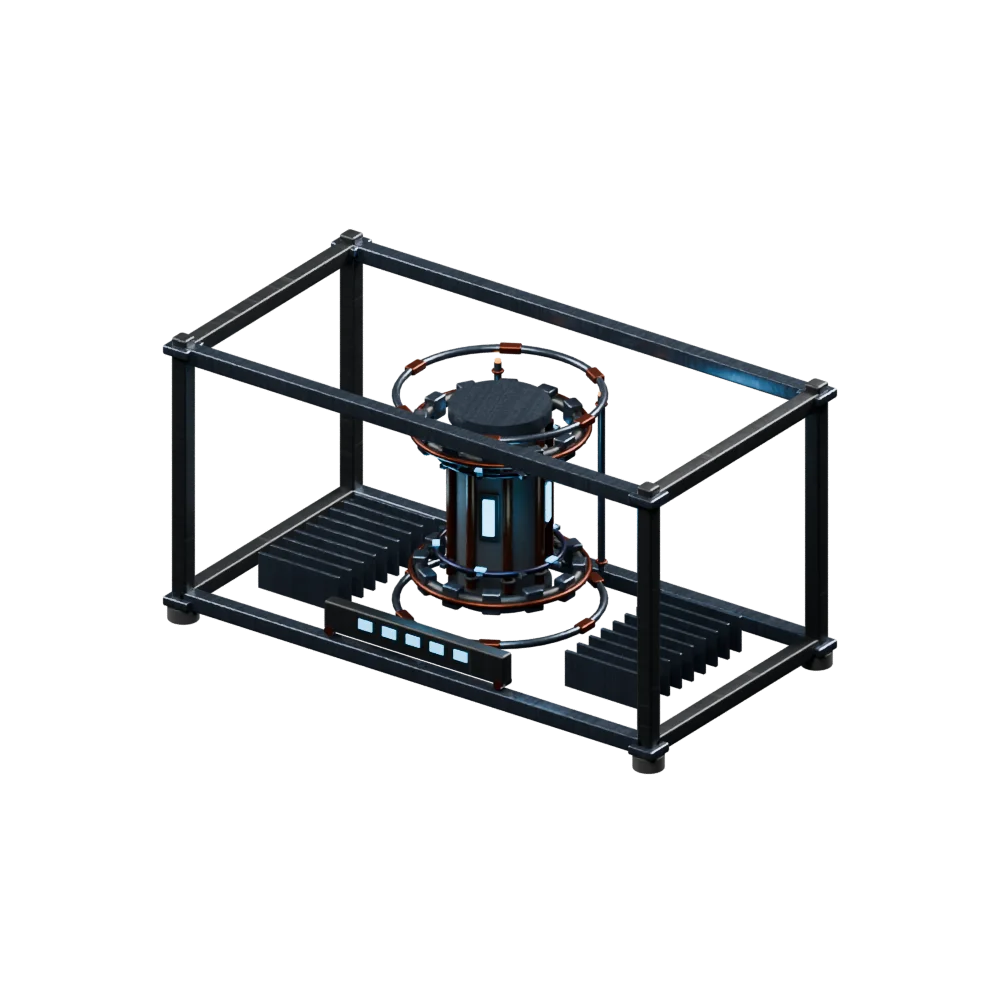
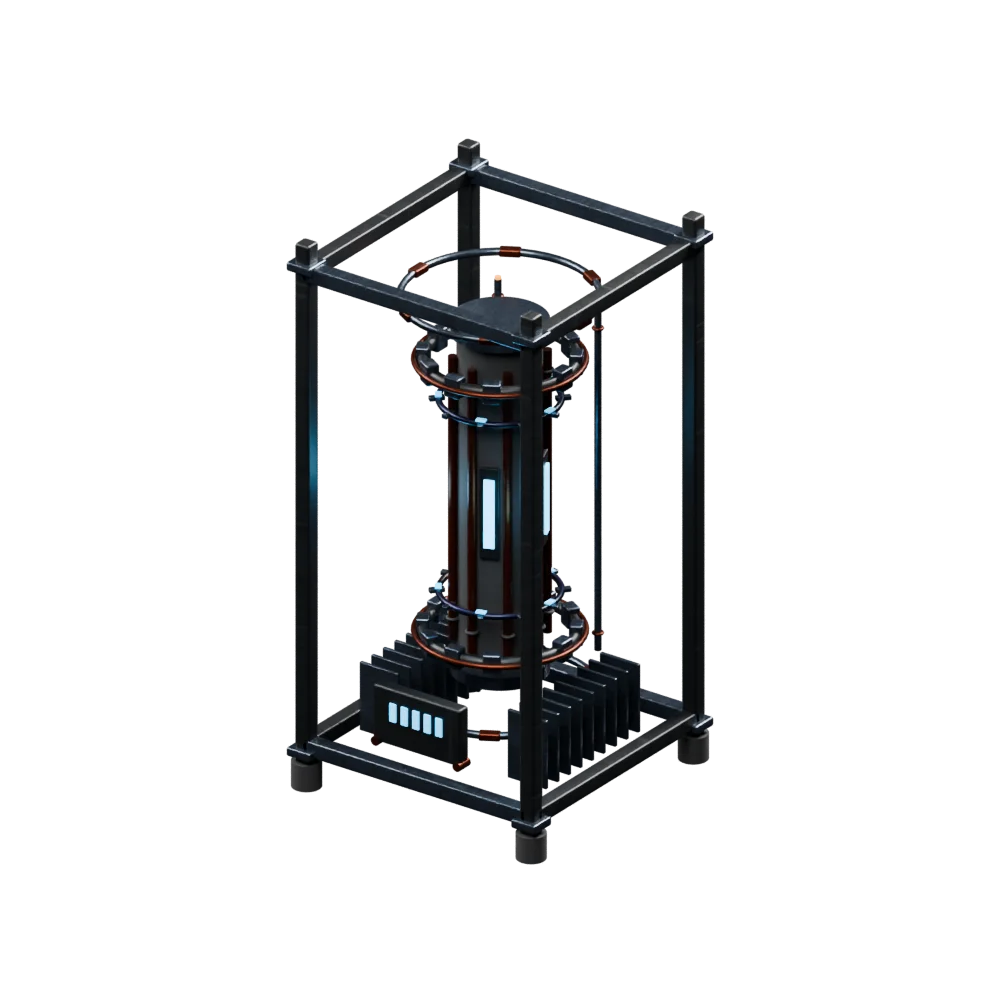
Shared fuel tanks supply generators and fuel engines. Different fuels convert to a common reserve; generators follow demand rather than burning at full output indefinitely. Solar panels and shape-aware photovoltaic hulls supplement generation. The standard solar hull rating is now 30 W before exposure/shape effects. Battery banks store electricity, with structure limits and CPU/AI budgets governing equipment installations. The U structure overview brings together mass, directional thrust, CPU/AI, shields, batteries, generators, oxygen and independent system switches. A detailed power breakdown separates suppliers and consumers so players can see where generation and demand come from. The large Aether collector is a low-output fuel-free supplemental source; Flux uses shared tank fuel. Revised open-frame generator models are approved but awaiting in-game integration.
FOOD, WATER, OXYGEN AND SAFETY
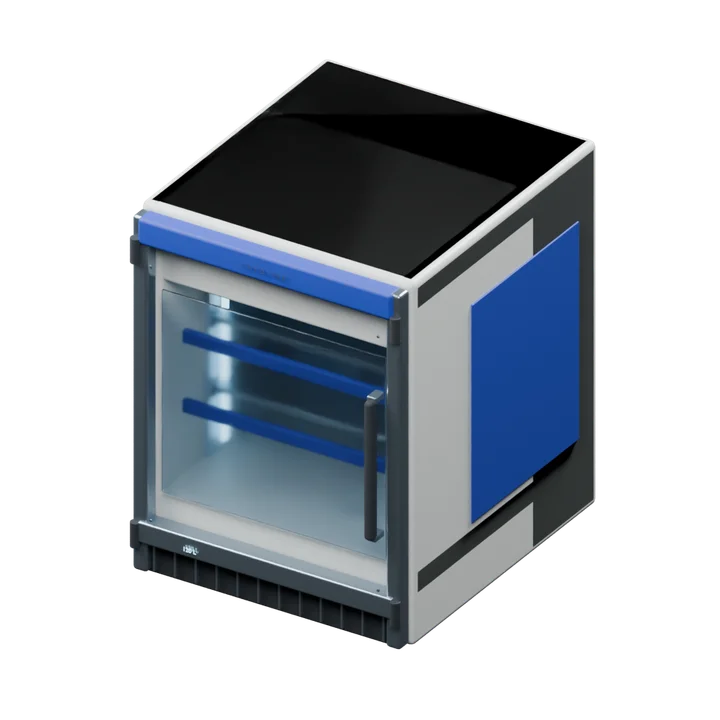
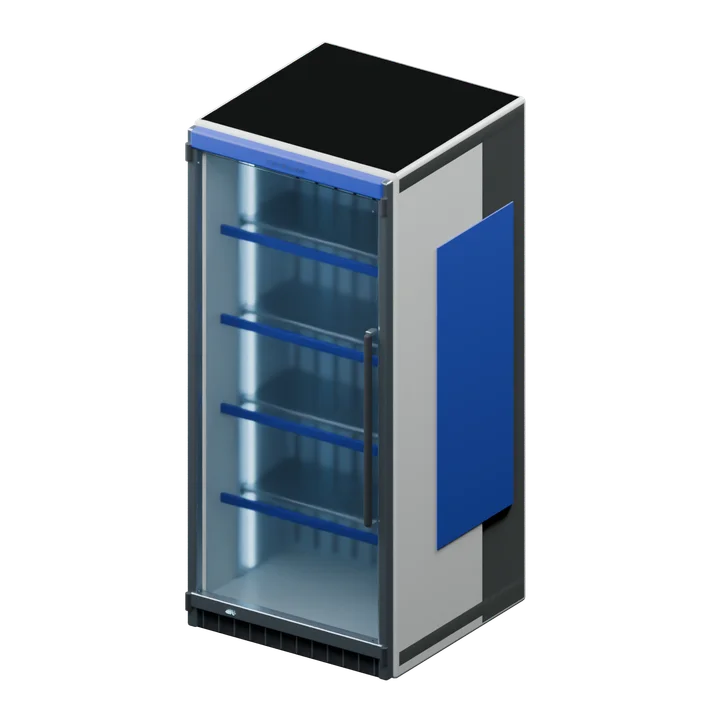
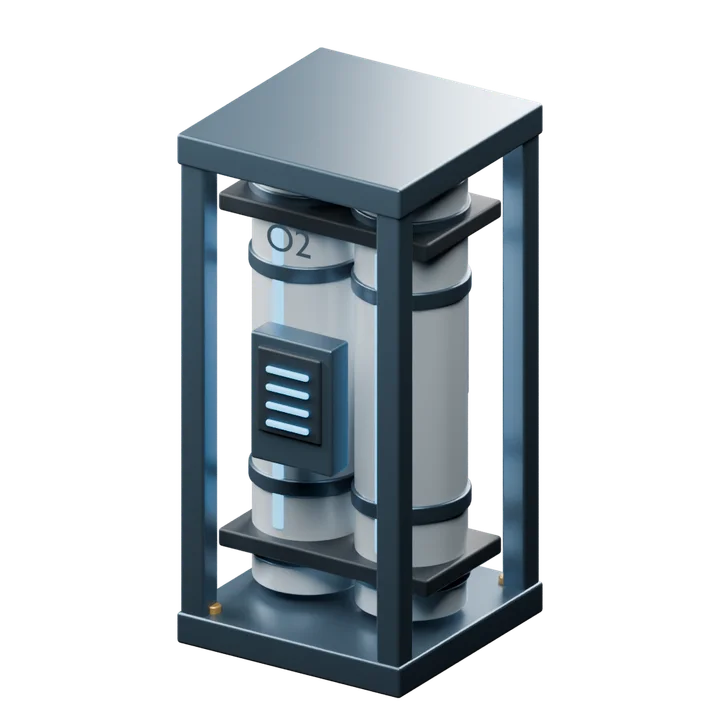
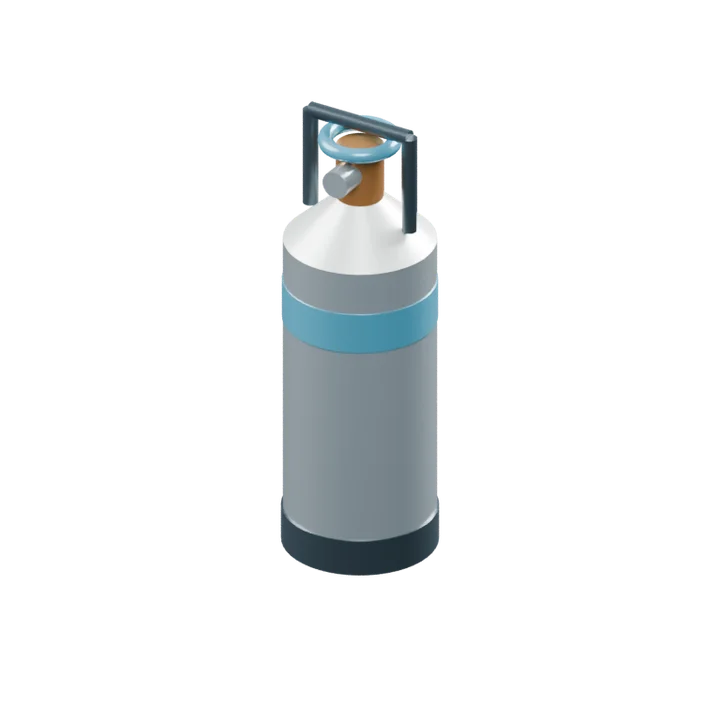
Food processors extend cooking into longer-lasting food and material-processing recipes. Input/output storage can link to cargo or refrigerators on the same structure. Refrigerators have volume limits and powered preservation. Atmospheric condensers use fuel and materials to collect water or bottle oxygen according to the environment. Radiation is restricted to generator, shield and CPU machinery; shielding, suit protection, accumulated exposure and decontamination are part of the developing survival loop.
EXPLORATION AND PRESENTATION
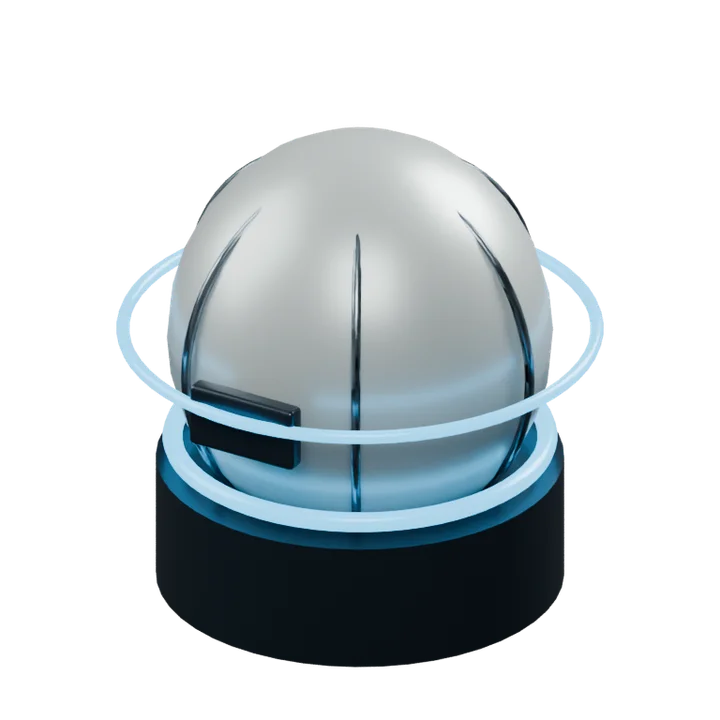
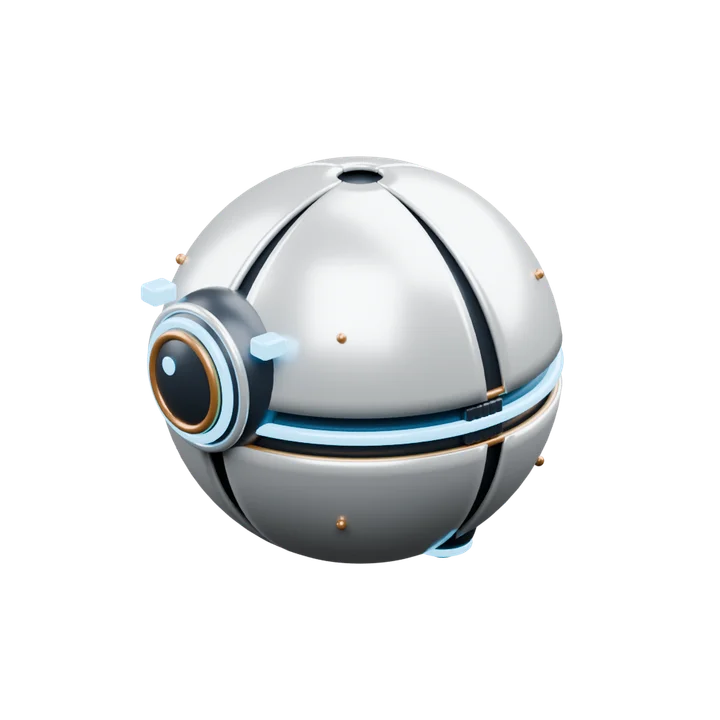
The Sentry backpack orb provides a first-person scout camera with a later mining upgrade. Updated space-era animated menus follow the suit's progression state. Item previews, powered materials, tool presentation and industrial interiors are being improved. Original wildlife, trapping, running audio and primitive crafting remain important parity checks.
RECENT ENGINEERING WORK
Recent local checks cover save-flow behavior, cargo capacity/transfers, construction collisions, production chains, power telemetry and suit optics. Large-build work targets the severe slowdown seen with modest structures; performance remains under active testing. These are development checks, not a guarantee for every player save or large-world scenario.
WHAT COMES NEXT , CONCEPTS
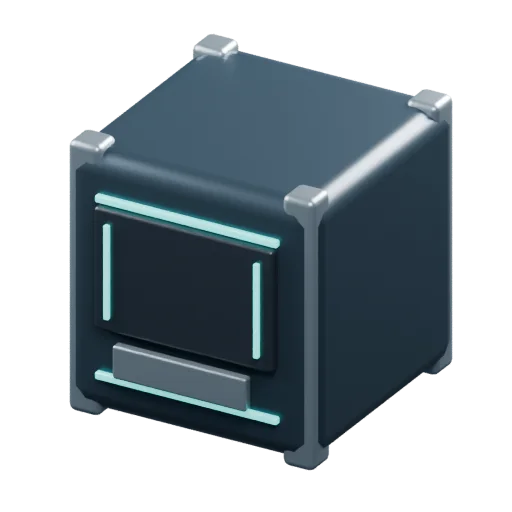
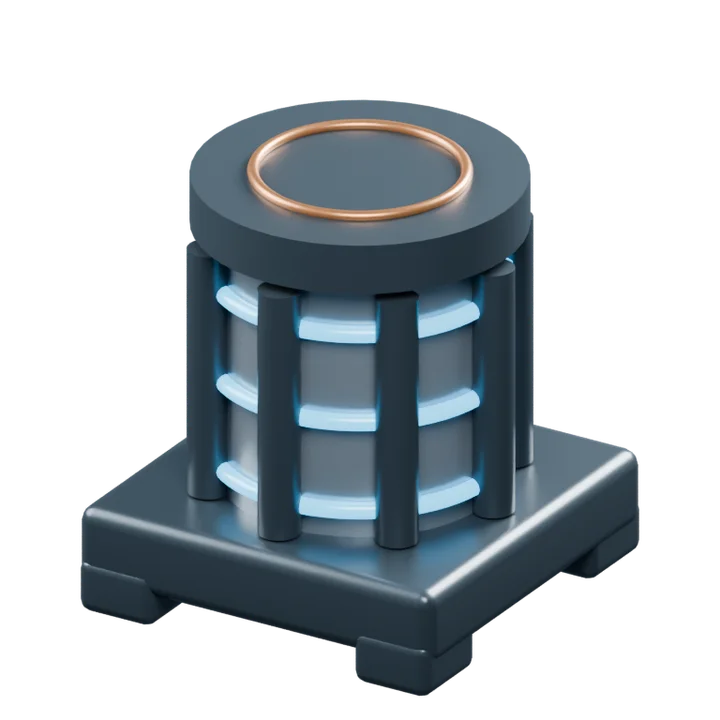
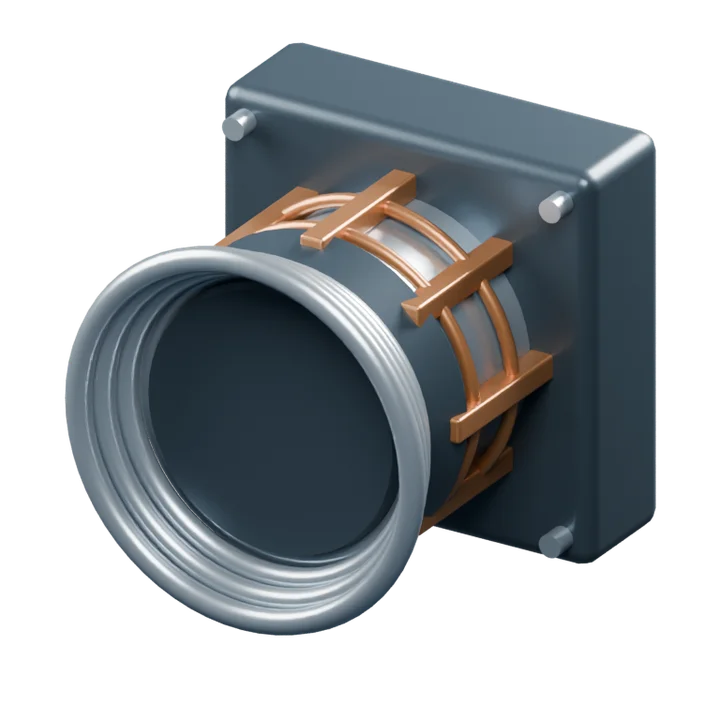
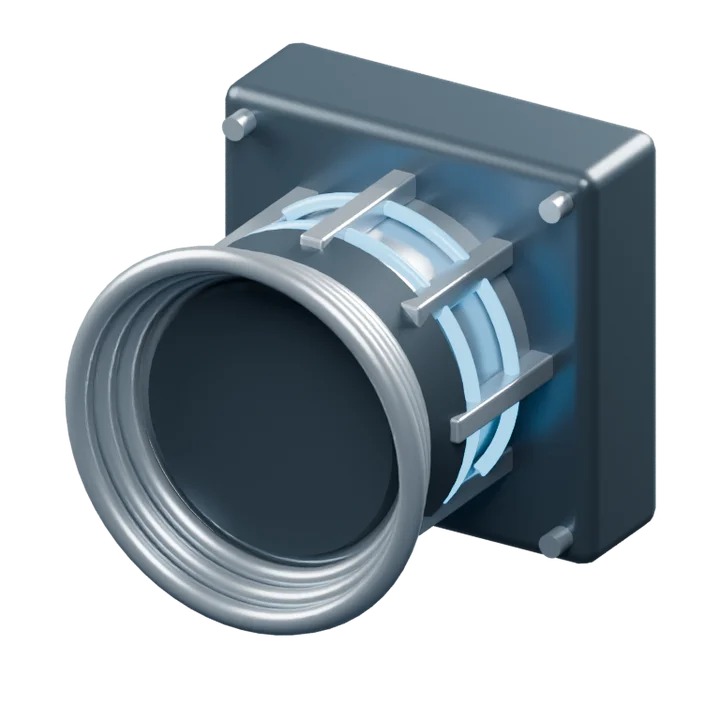
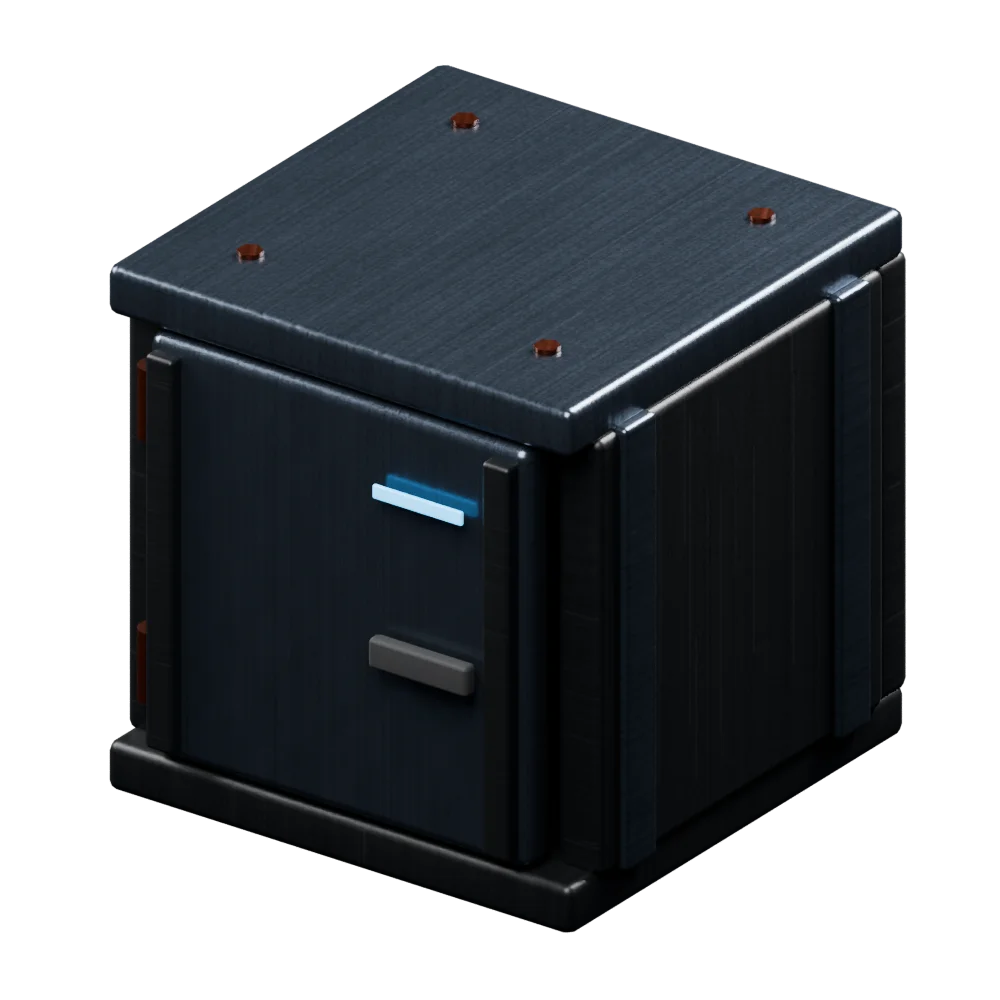
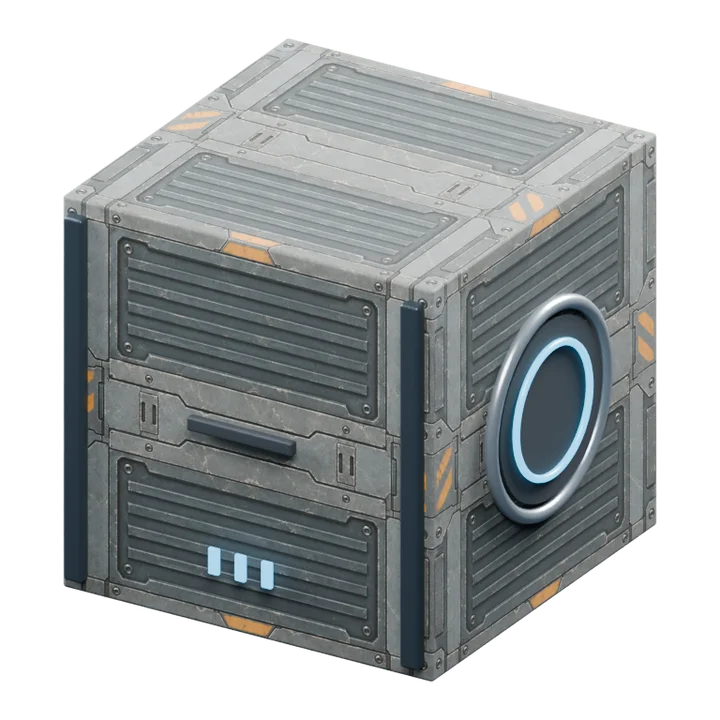
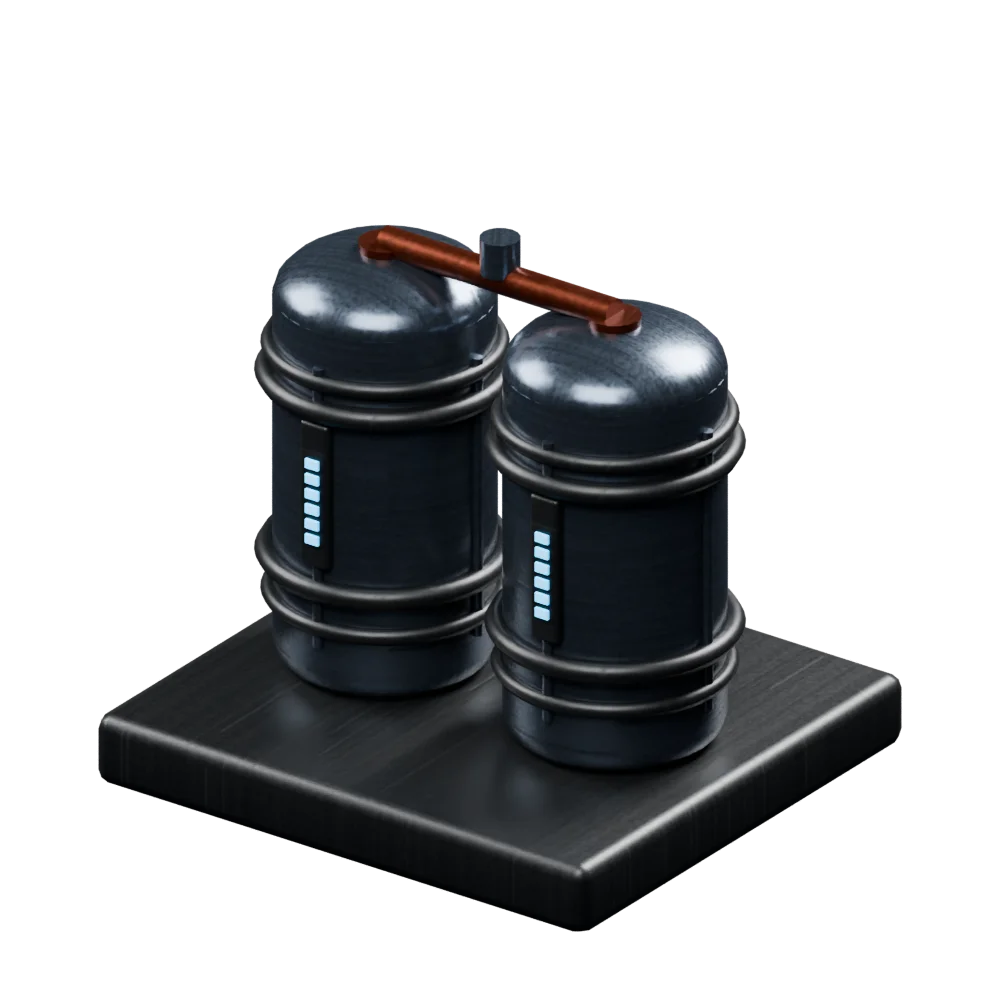
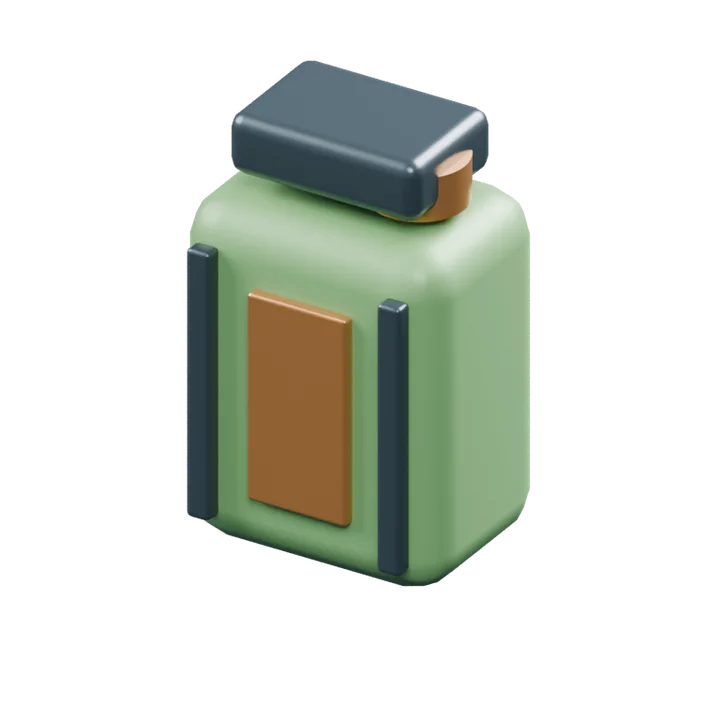
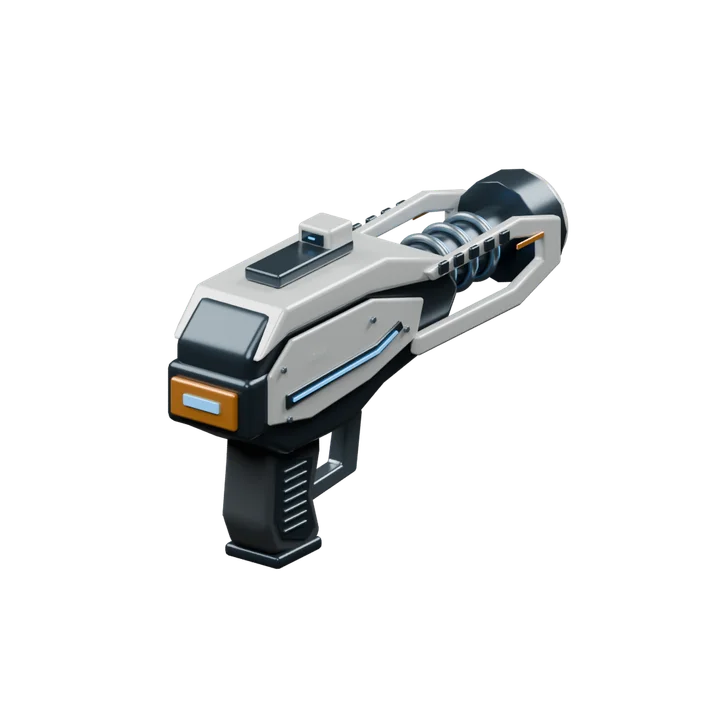
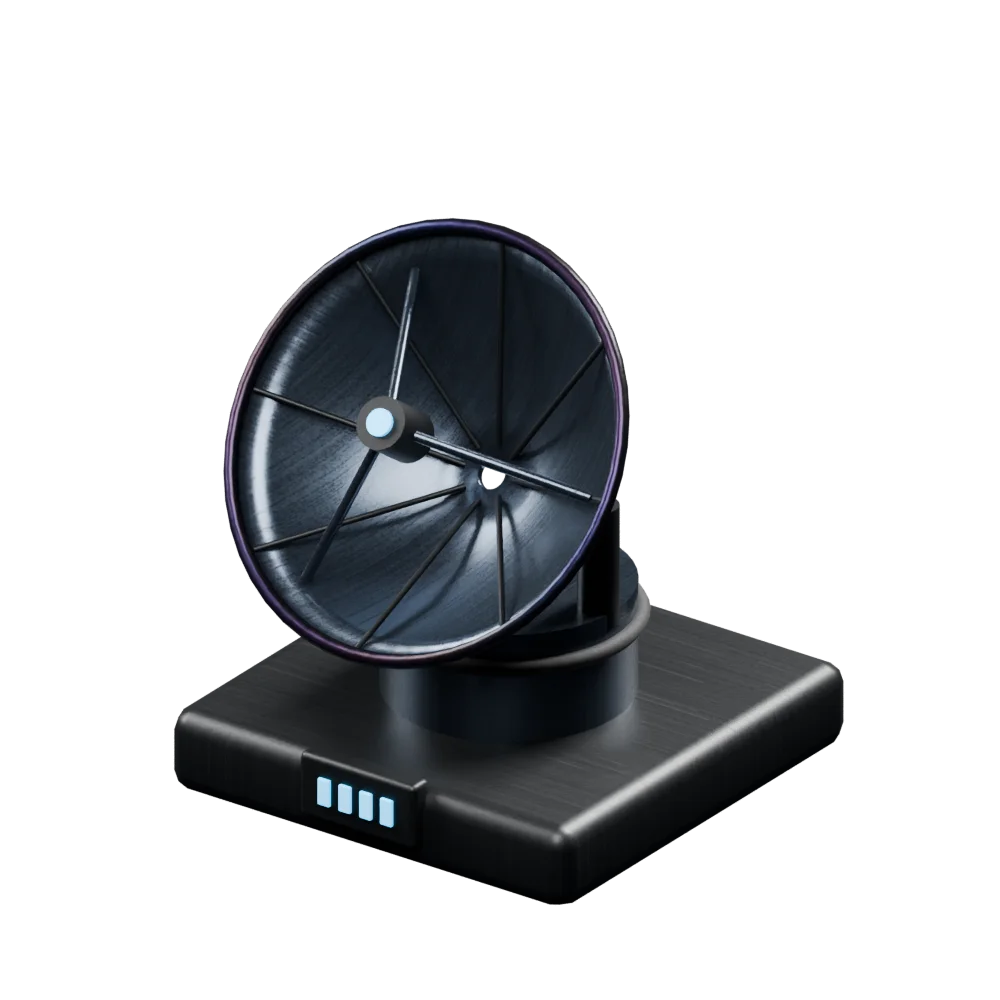
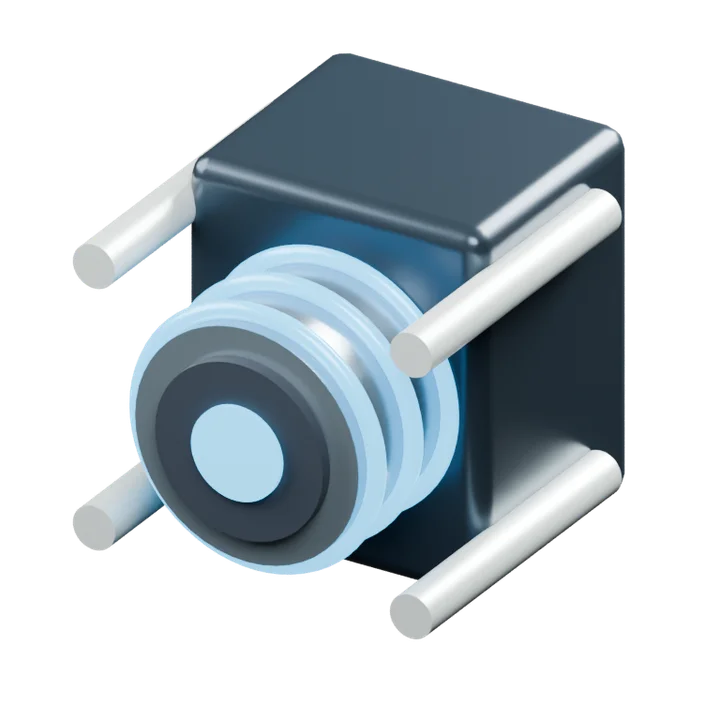
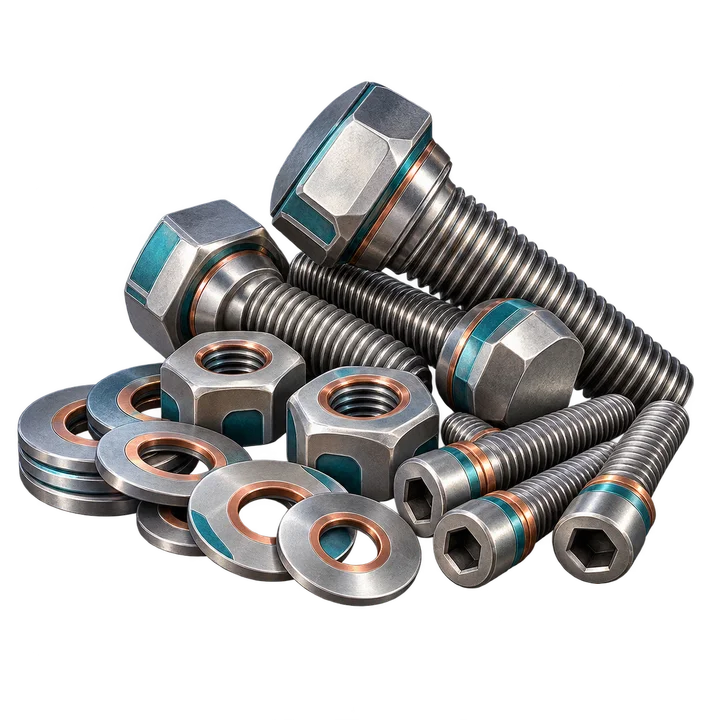
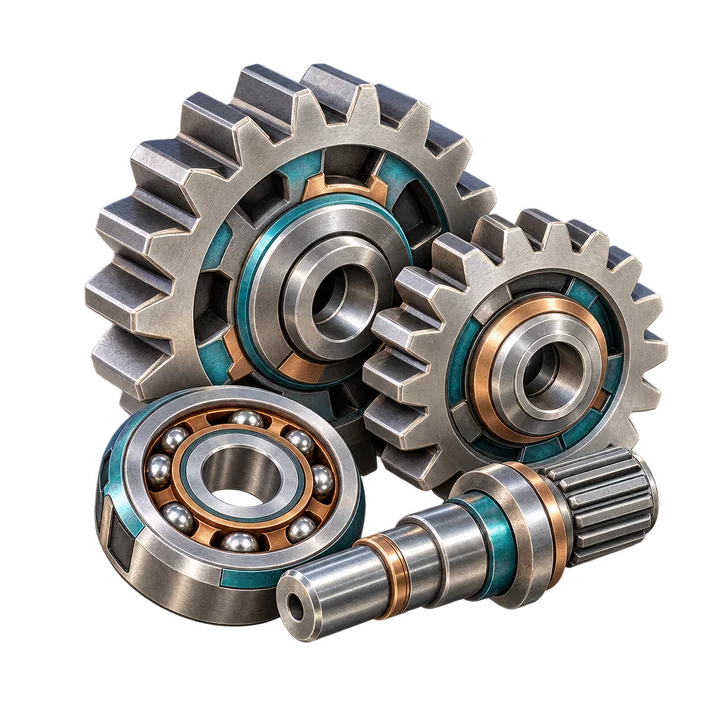
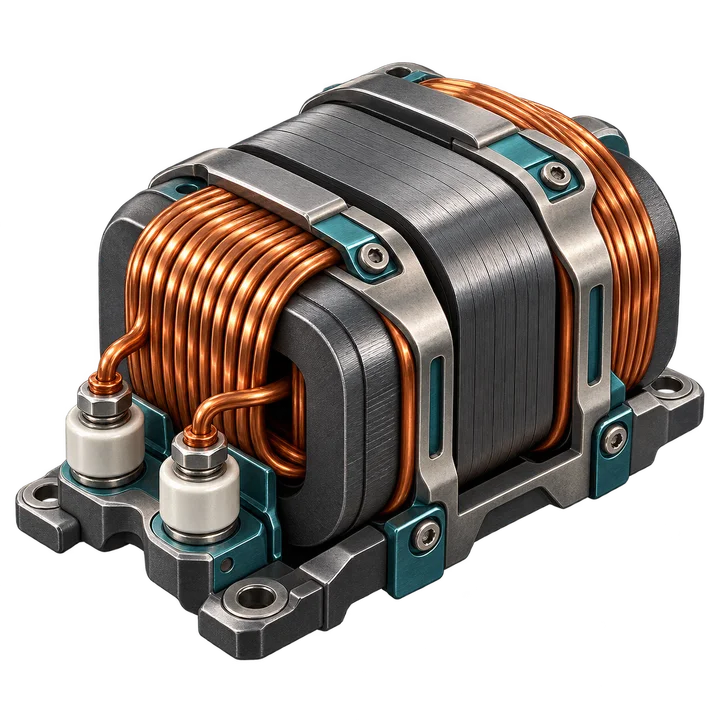
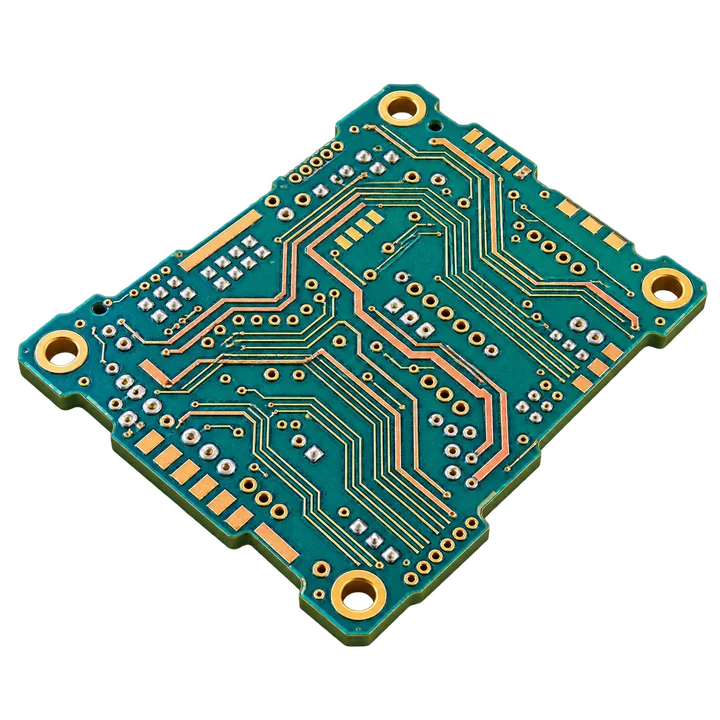
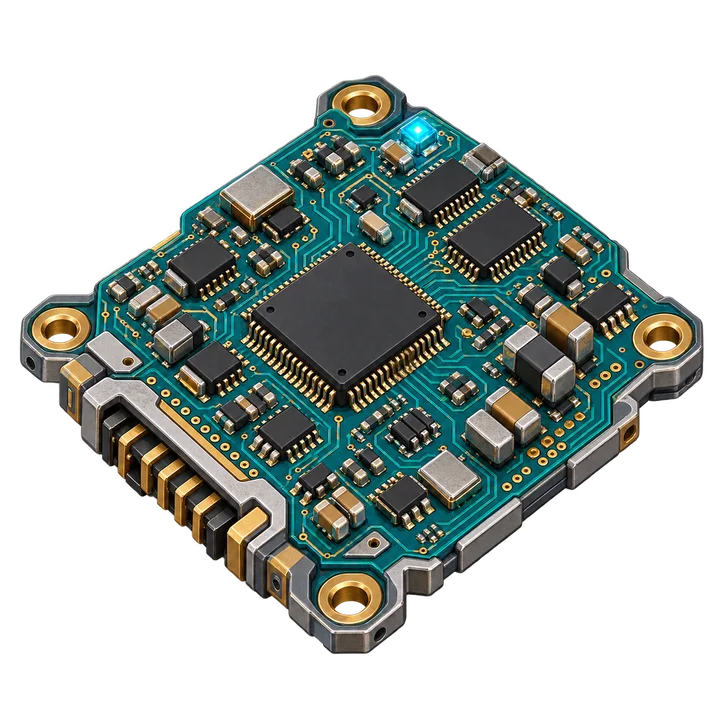
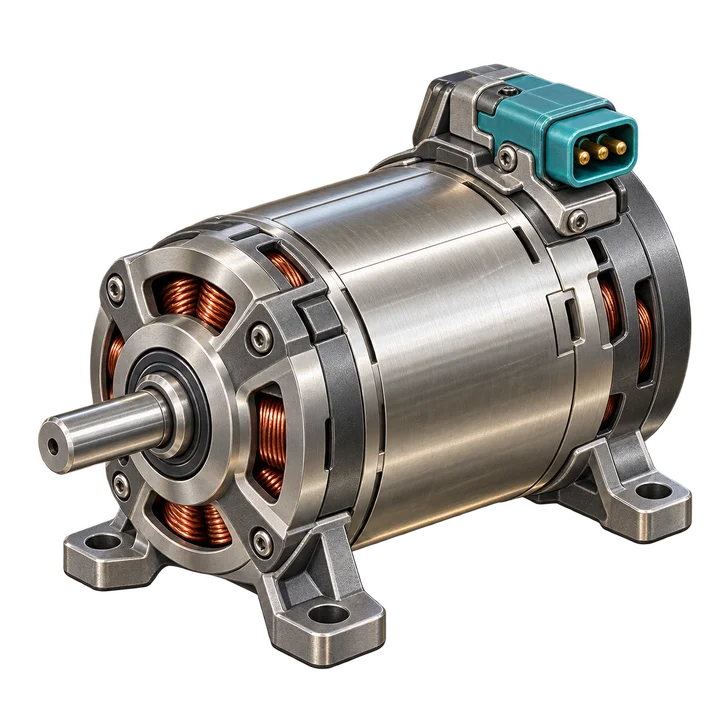
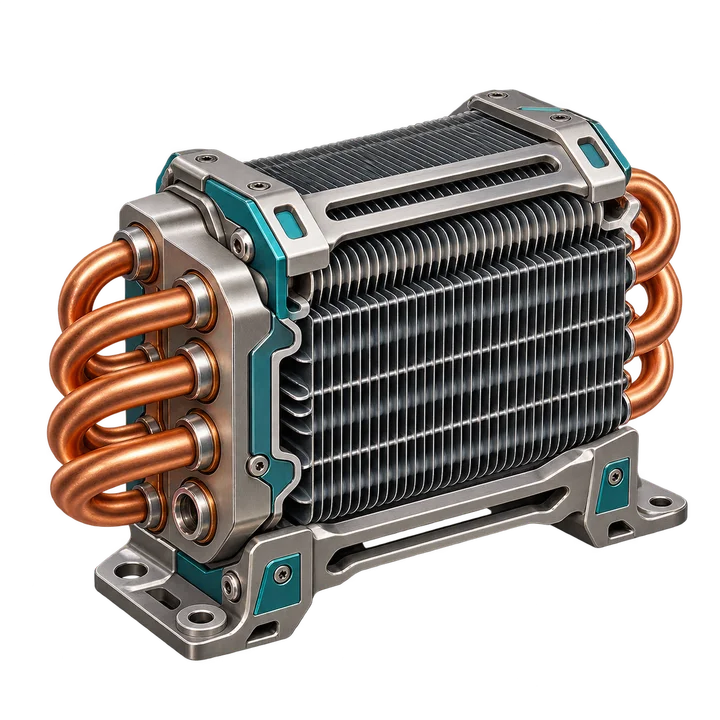
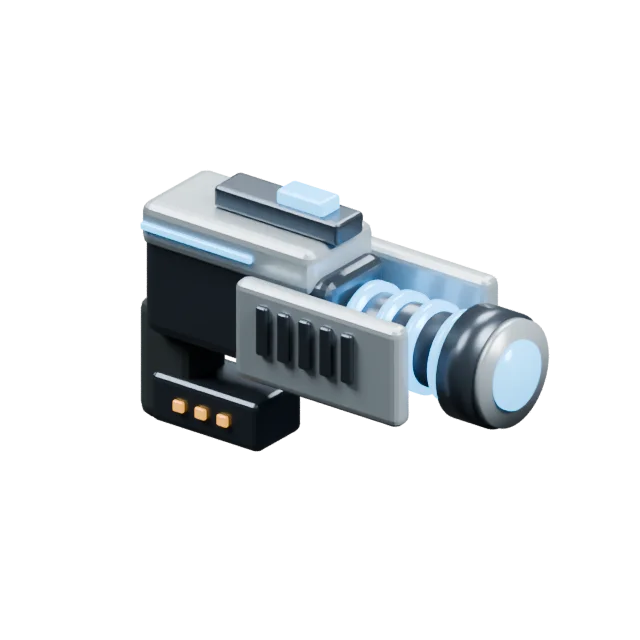
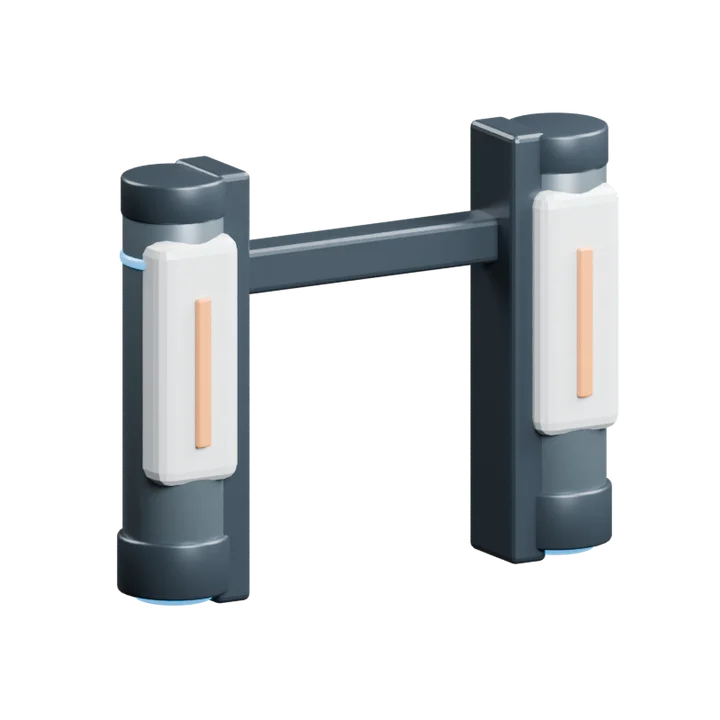
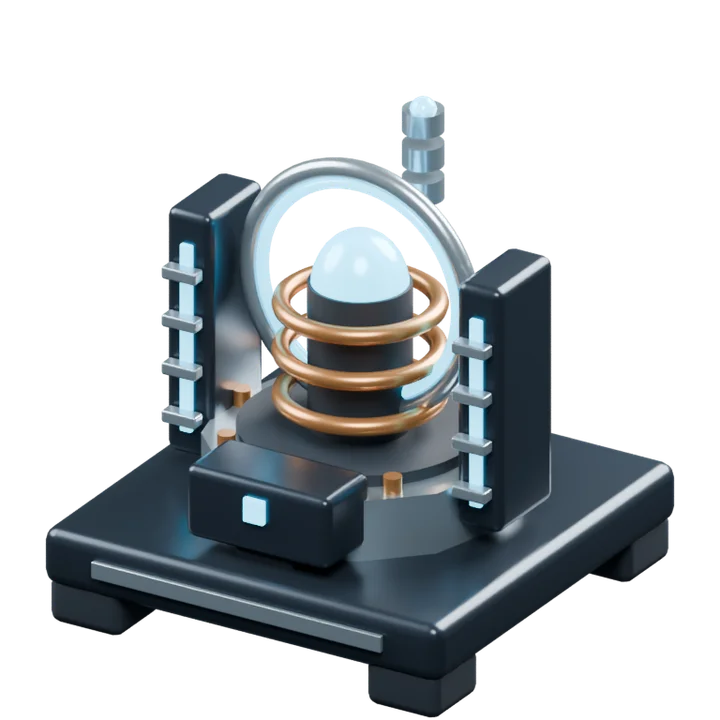
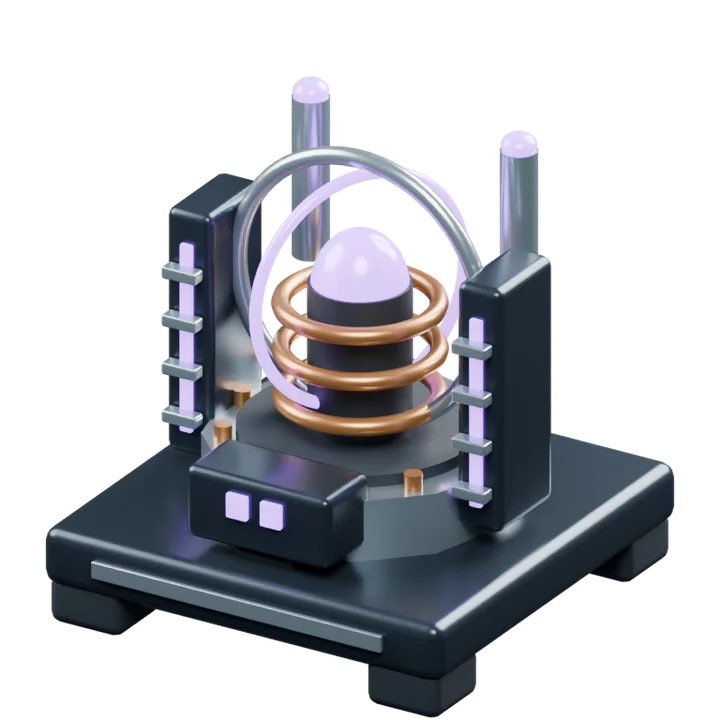
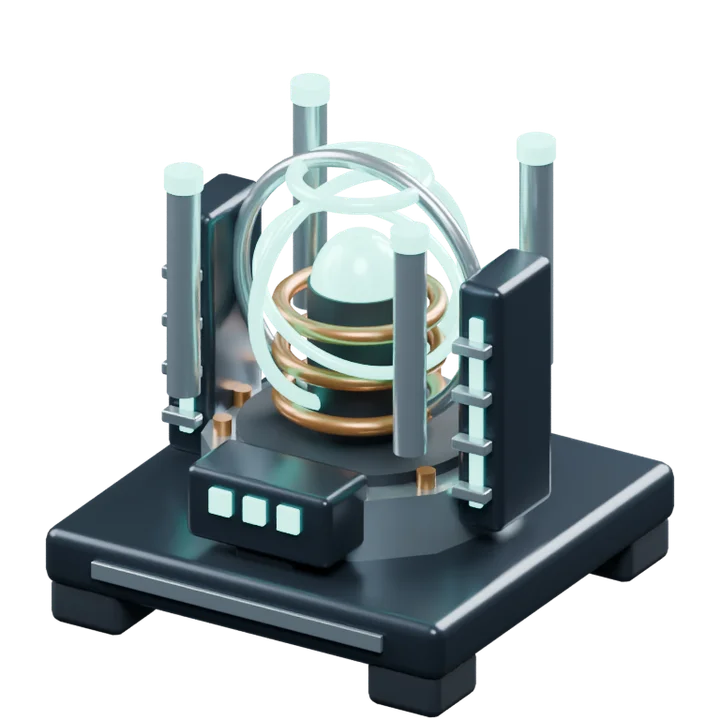
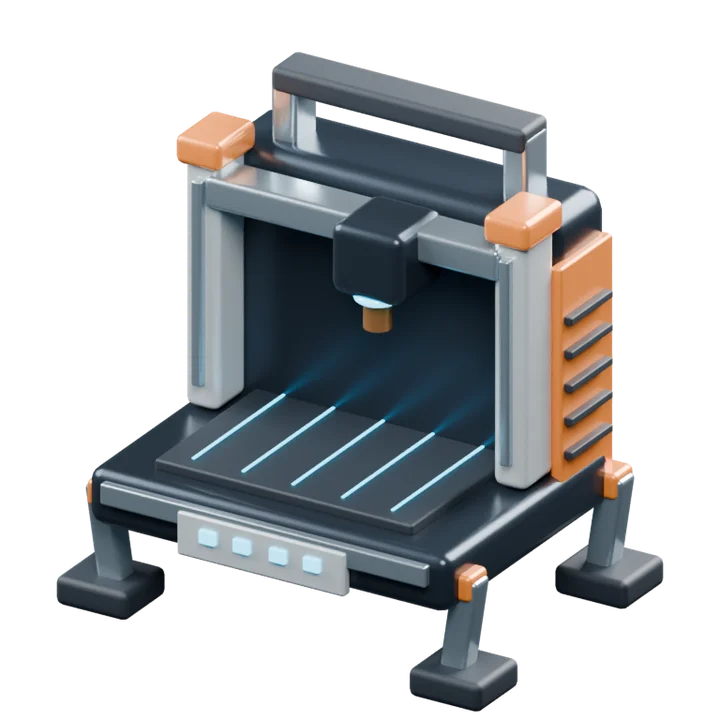
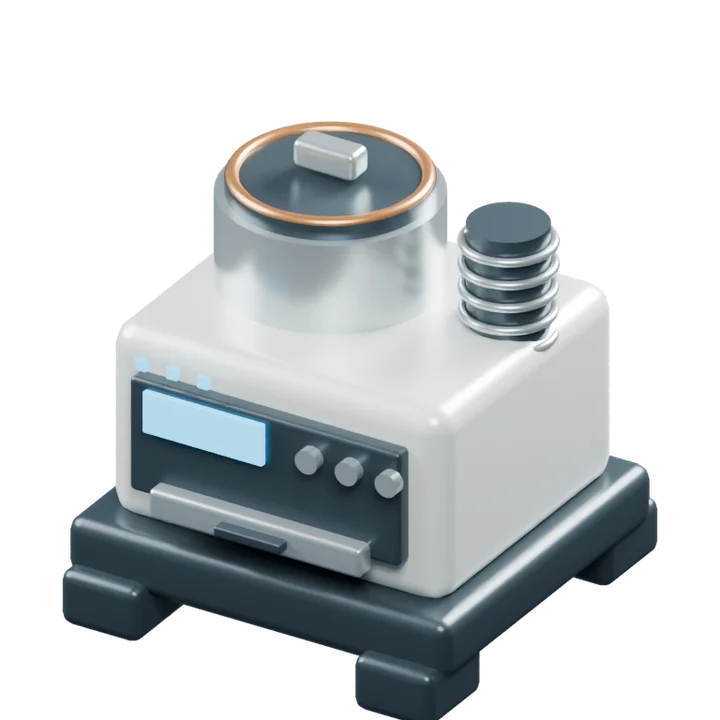
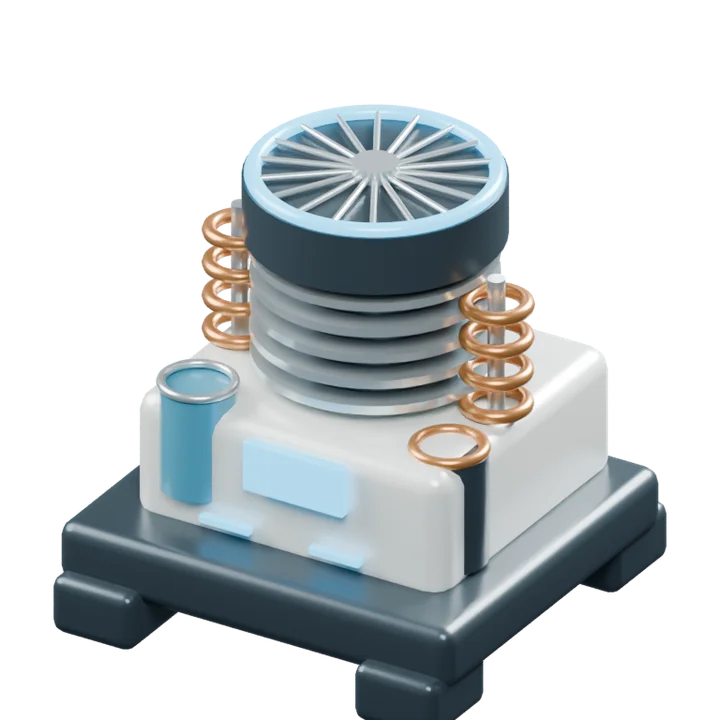
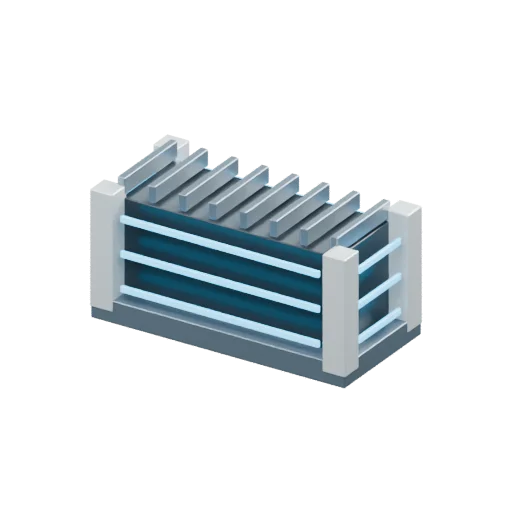
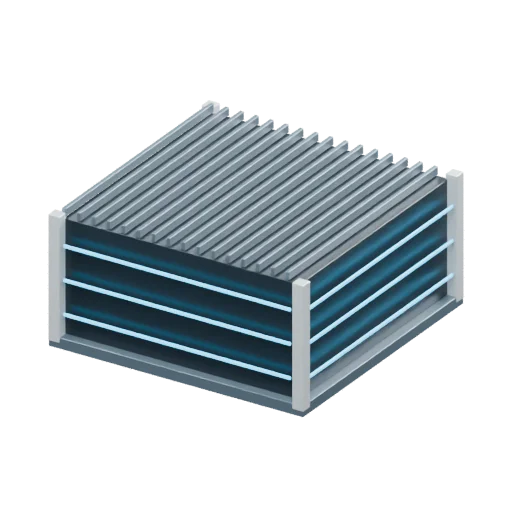
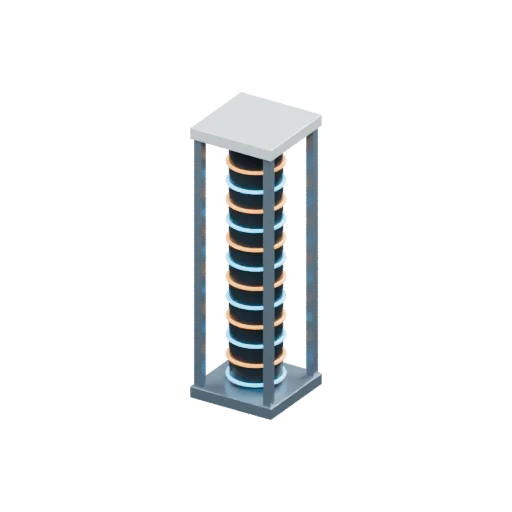
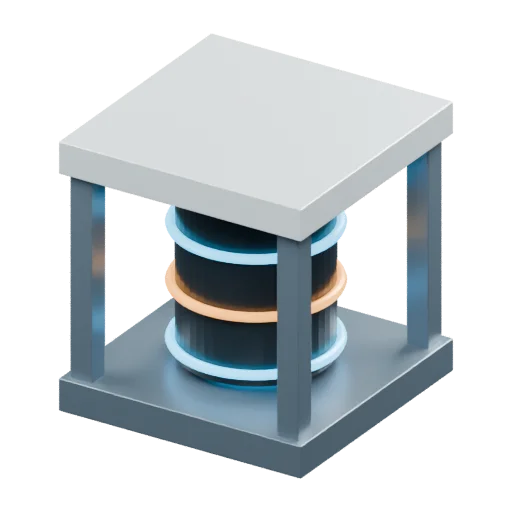
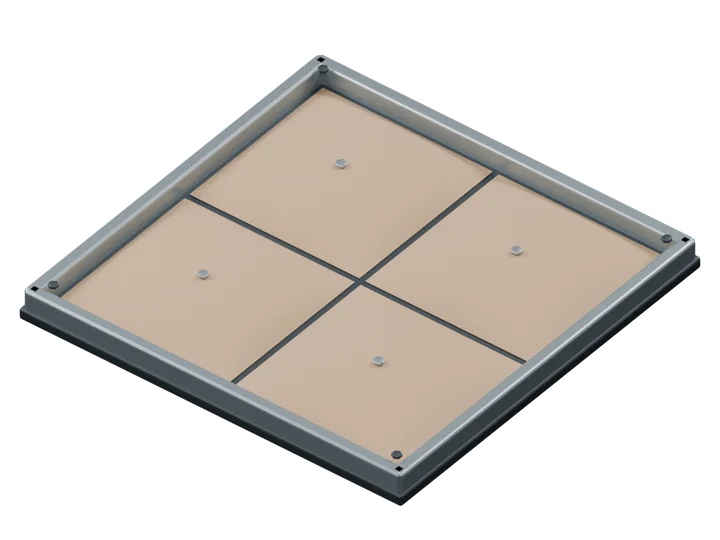
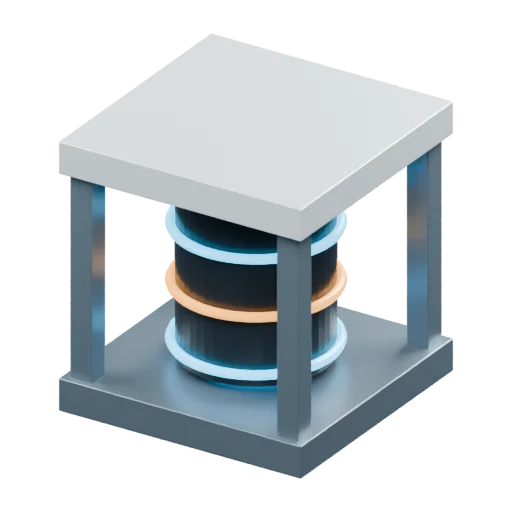
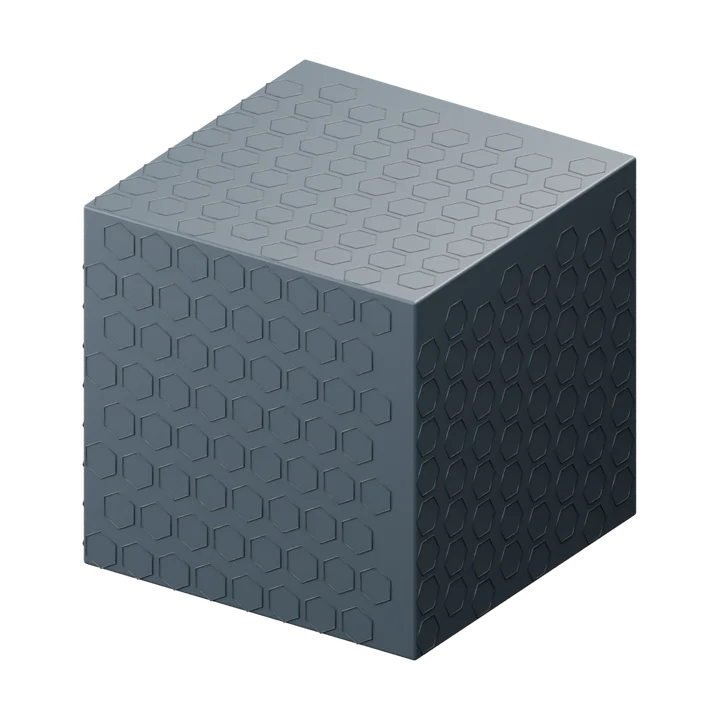
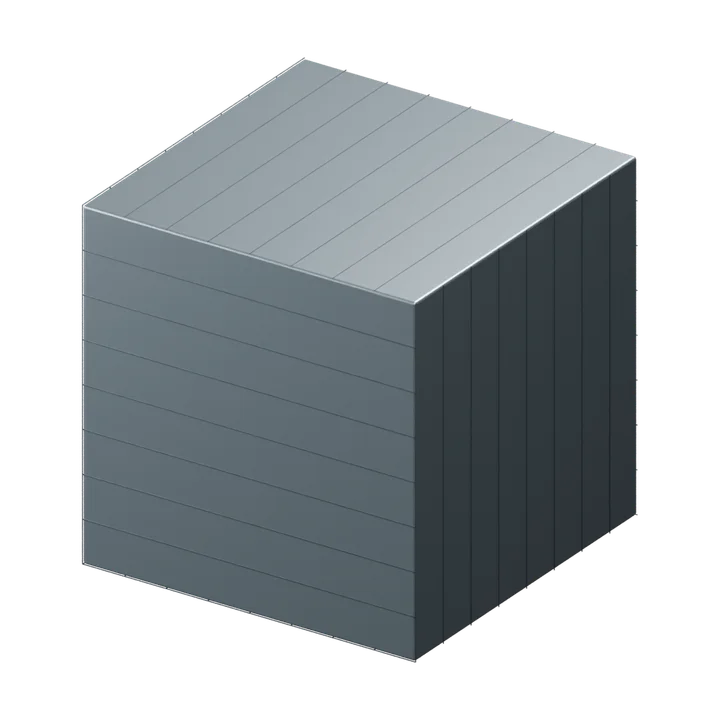
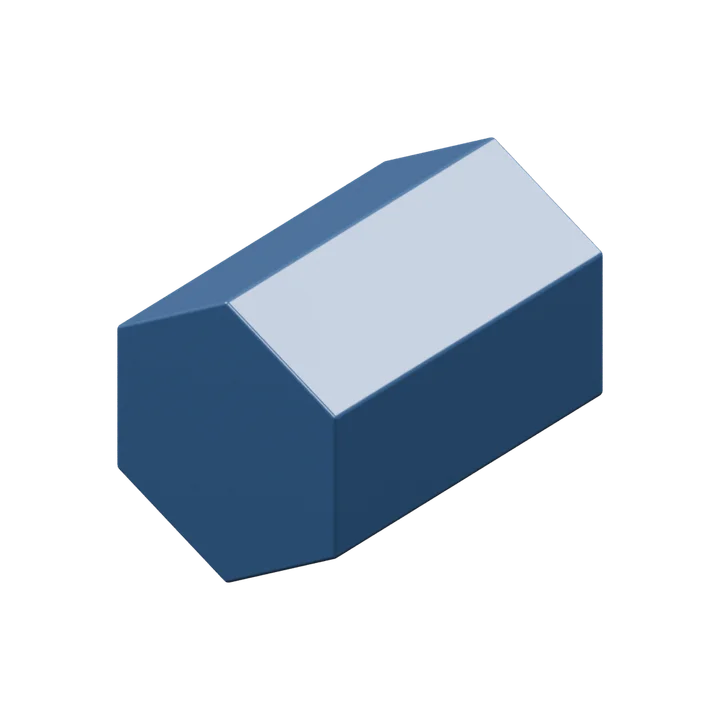
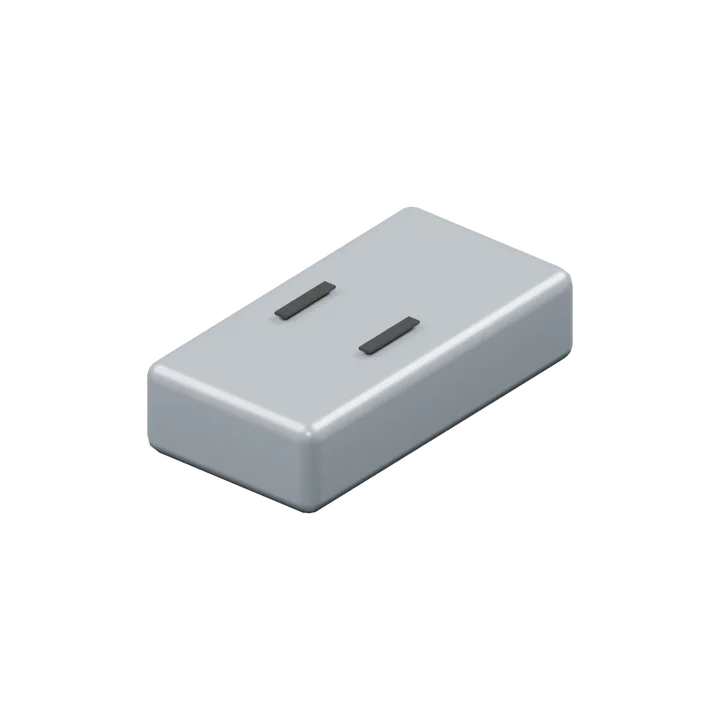
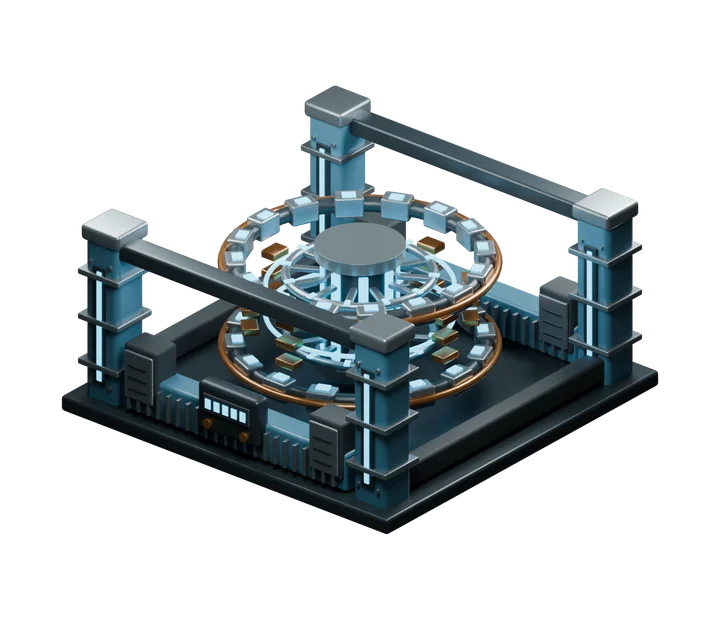
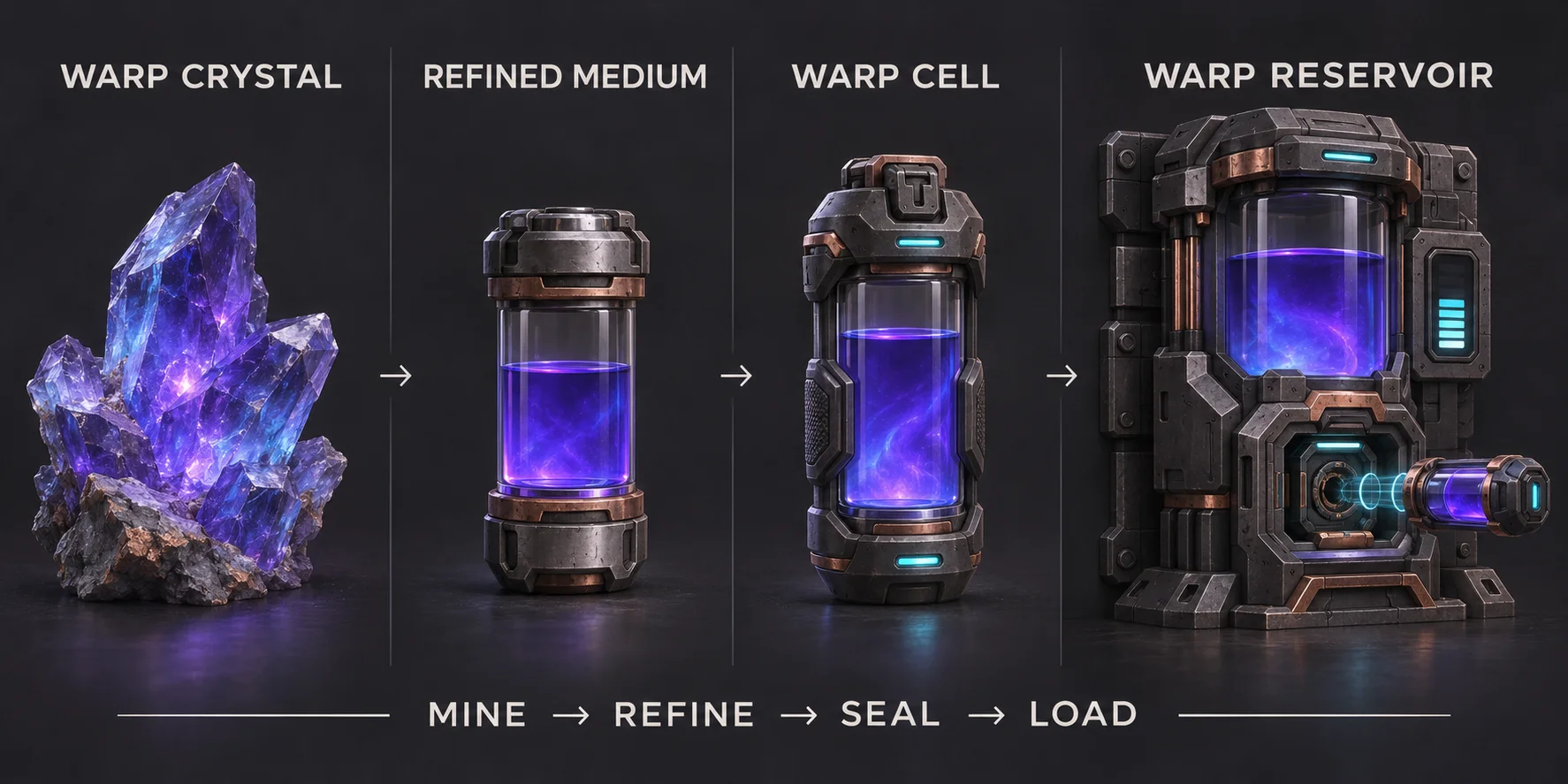
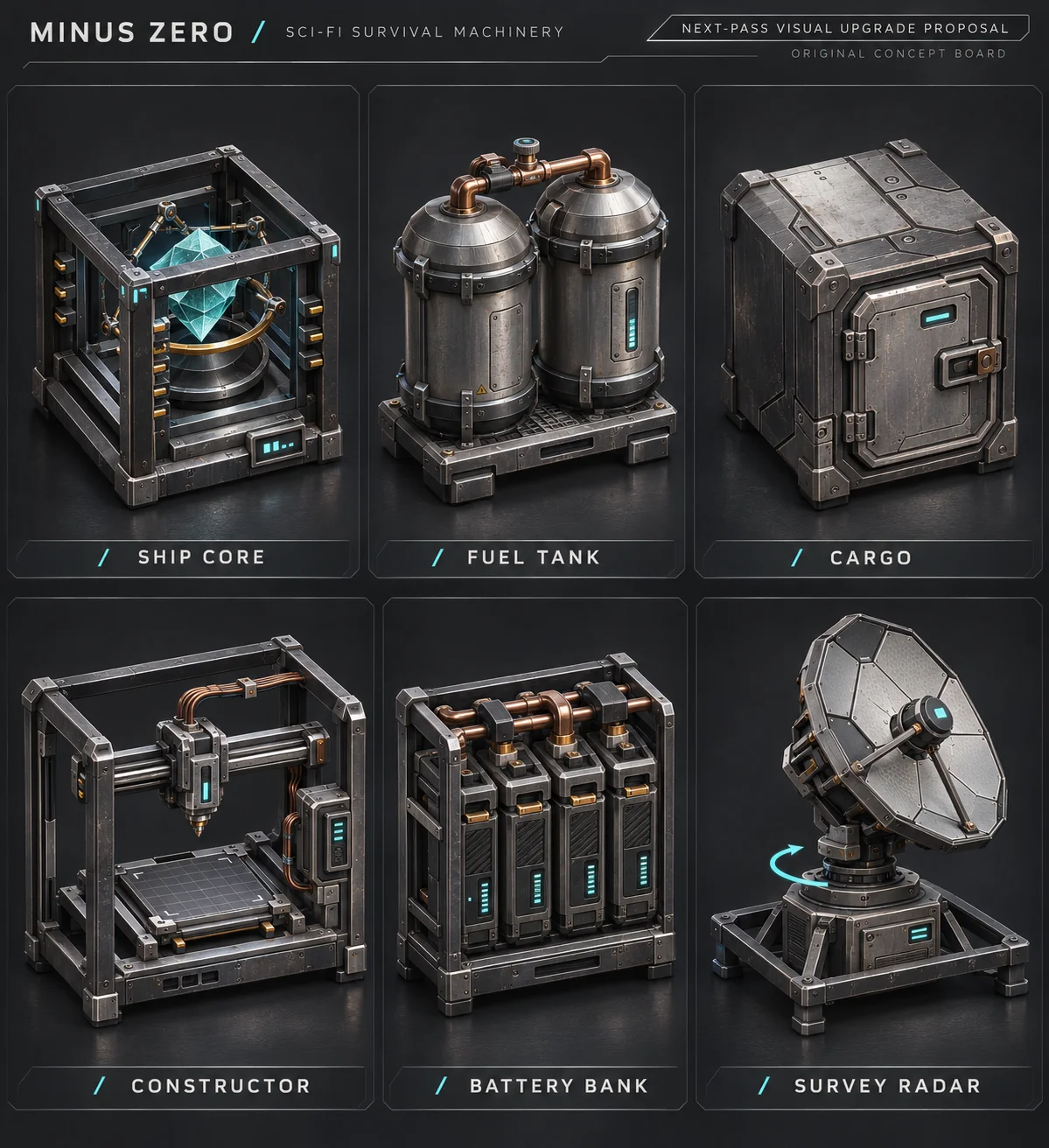
Approved art explores extended/angled wings, glass bridges and walkways, egg-shaped captain/crew seats, a peripheral holographic flight HUD and a dedicated warp-resource chain. Six textured machinery families have been delivered as 3D geometry, with native integration and gameplay testing still pending. These images show design direction; they must be labelled concept art or asset renders, and must not be shown as completed flight/warp gameplay.